
A Kitsap County Timeline
Kitsap Through Time
From fire and ice to the present day
Kitsap County’s story starts long before the first sailing ships came into Puget Sound. Scroll through time, from the volcanic rock and glacial ice that shaped the land, to the First Peoples who have always lived here, to the mill towns, the Navy Yard and the communities of today. The waters around the peninsula have long shaped how people live, work and connect.
Header: Port Blakely sawmill and harbor, about 1891–1922. Kitsap History Museum, 1987.046.005.
Shaped by Fire and Ice
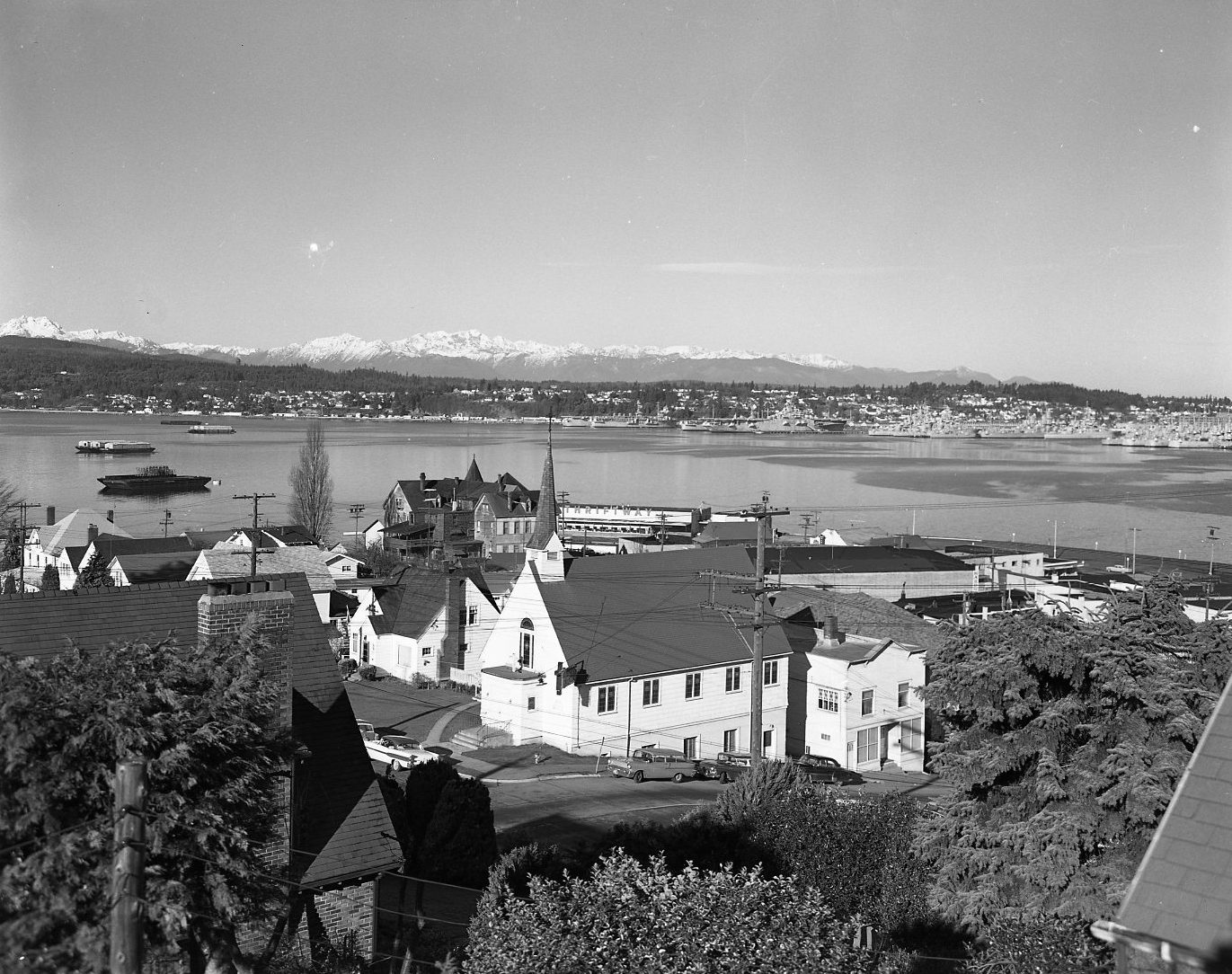
Kitsap’s oldest rocks began as lava, much of it erupted on the floor of the Pacific Ocean. Over millions of years, the slow movement of the earth’s crust pushed that seafloor against North America and raised it into hills and mountains. The Olympic Mountains, shown here rising beyond Port Orchard in 1958, are rimmed by that same ocean-floor basalt. Then came the ice. Again and again during the Ice Age, glaciers thousands of feet thick flowed south from Canada and buried the whole peninsula. The ice and its meltwater carved long troughs, hills and lake basins, and when the ice retreated, seawater filled the troughs to make Hood Canal and Puget Sound.
- About 50 million years ago
Volcanic eruptions, many of them on the seafloor, lay down the dark basalt of the Crescent Formation. It is the foundation of Green and Gold Mountains and the oldest rock in the county.
- About 30 million years ago
Sand, mud and volcanic debris pile up in an ocean basin and harden into rock. These layers can still be seen along Rich Passage and at the south end of Bainbridge Island.
- The Ice Age
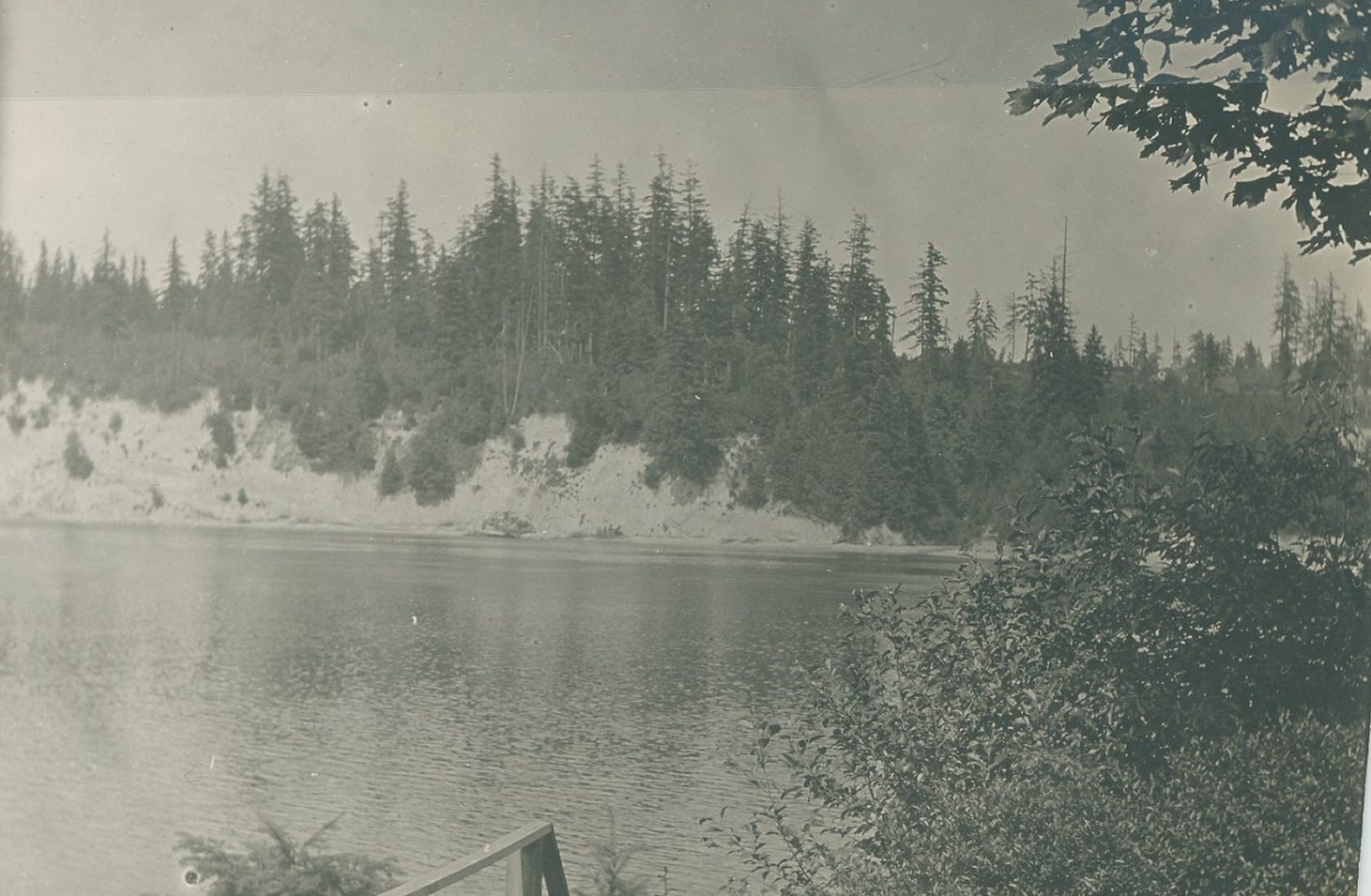
Mammoths and mastodons roam a cold, open landscape. Mammoth teeth have turned up in eroding bluffs along Hood Canal, much like the East Bremerton sandbank pictured below.
- End of the Ice Age
The great ice sheet melts back quickly. Rushing meltwater reshapes valleys such as Big Valley, between Lofall and Poulsbo.
- About 1,100 years ago
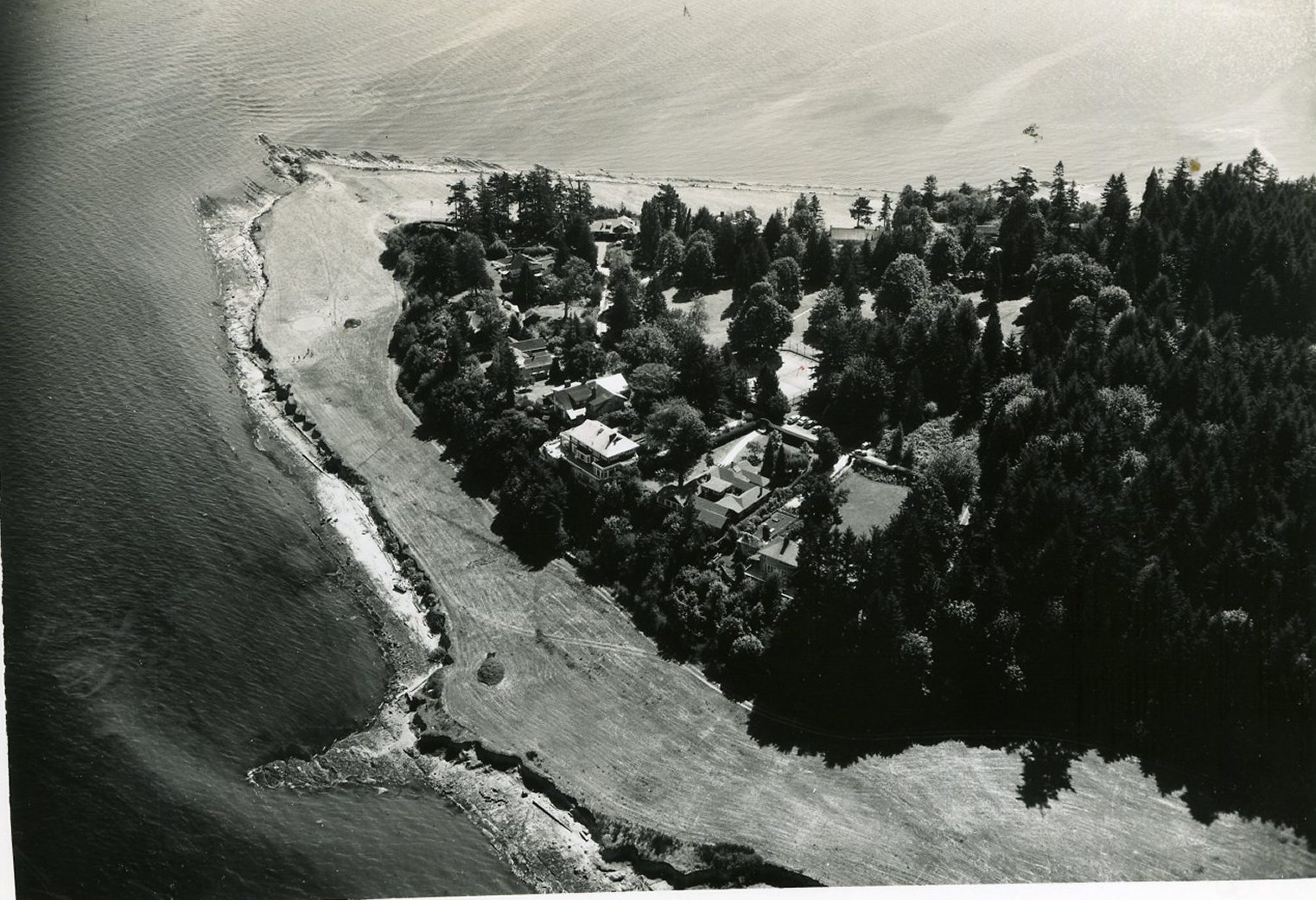
A major earthquake on the Seattle Fault lifts the shore at Restoration Point on Bainbridge Island, pictured below, about 20 feet in a single moment. The raised beach is still there.
Beyond our museumPuget Sound geology (Washington DNR) (opens in a new tab)
The First Peoples
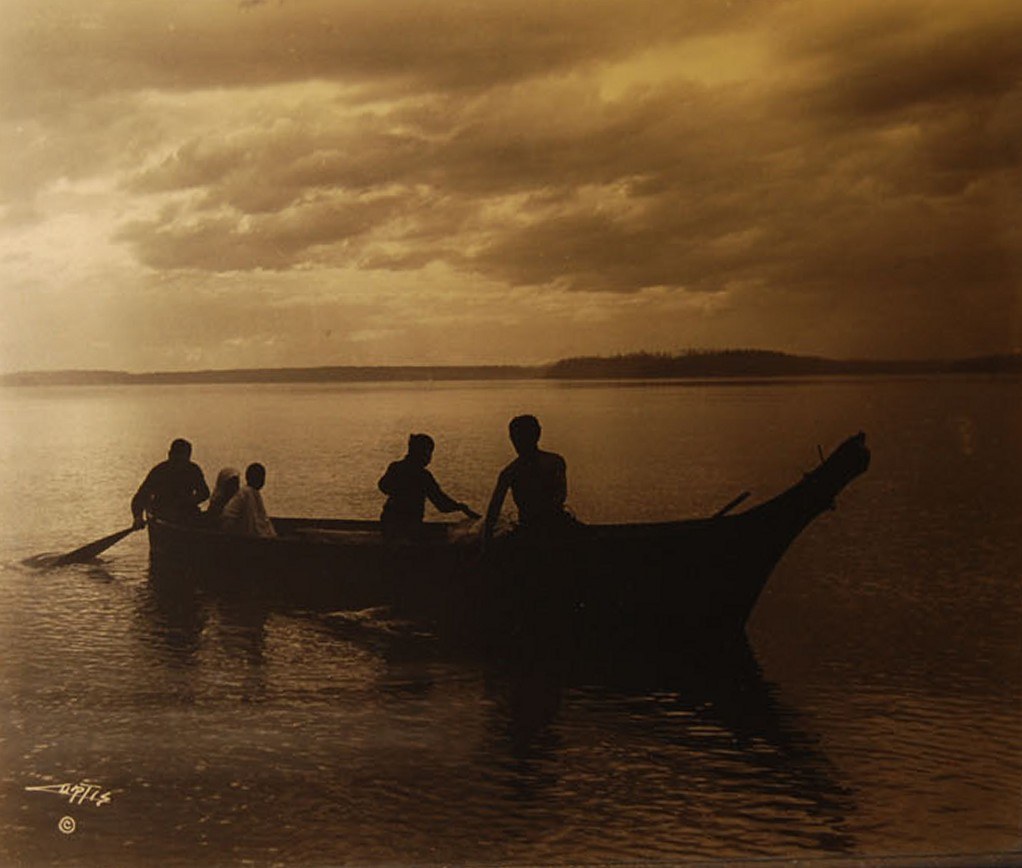
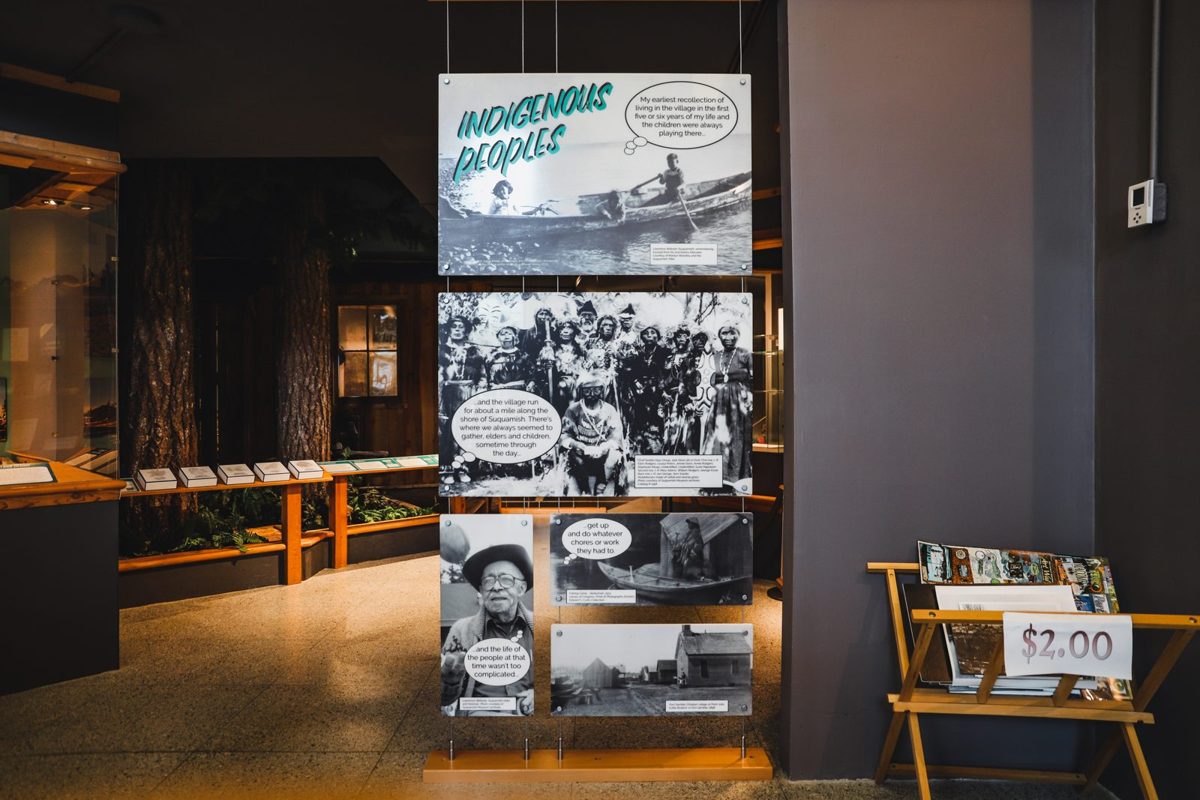
Indigenous peoples have lived in the Puget Sound region for more than 12,000 years. Suquamish villages lined Agate Passage, Port Madison, Bainbridge Island and the inlets to the south; S’Klallam people lived at the peninsula’s northern tip, and Twana (Skokomish) people along Hood Canal. Salmon, shellfish, berries and camas fed families, and cedar gave wood for longhouses and canoes. Canoes like the one shown here in Edward S. Curtis’s “Homeward,” photographed on Puget Sound about 1898, carried families and news across the water. Curtis’s romantic images spread the false idea of a “vanishing race”; the canoe culture he photographed is alive today.
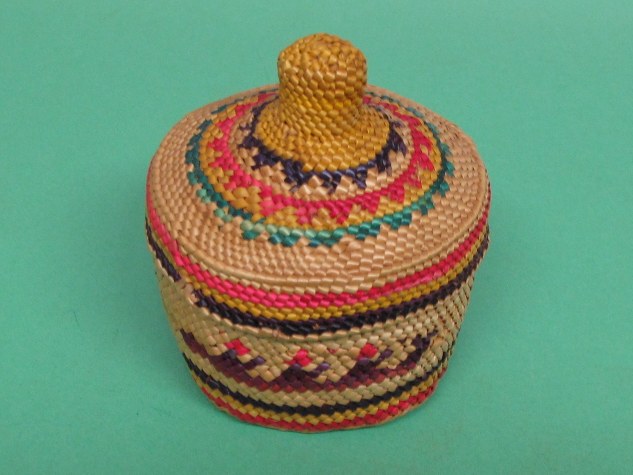
These nations are still here. The Suquamish, whose name comes from the Lushootseed words for “clear salt water,” and the Port Gamble S’Klallam, the “Strong People,” have reservations in Kitsap County. The Skokomish, the “big river people,” have their reservation at the south end of Hood Canal. Weaving is a living art: according to our collection records, the Suquamish basket pictured below was woven by Cecelia Jackson (1887–1985), who at her death was the oldest living member of the Suquamish Tribe.
“The Suquamish and their ancestors have inhabited the Puget Sound area for thousands of years. Before European contact, the region was one of the most populated centers north of what is now Mexico City.”
“The Port Gamble S’Klallams are the ‘Strong People’—a name well-earned over generations of grit and resilience used to protect the people and places they have always held dear.”
- About 1786
Si’ahl, later known as Chief Seattle, is born to a Suquamish father and a Duwamish mother. He grows up to lead both peoples.
- 1800s
Old Man House, a great Suquamish longhouse of cedar posts and planks, stands on Agate Passage. It stretched hundreds of feet along the beach, one of the largest ever built on the Northwest Coast.
- Early 1800s
Kitsap, a respected Suquamish leader, is known throughout the Sound. The county will later be named for him.
Beyond our museumSuquamish Museum (opens in a new tab)Port Gamble S’Klallam Tribe: History & Culture (opens in a new tab)Skokomish Tribe: Culture & History (opens in a new tab)
Ships from Far Away
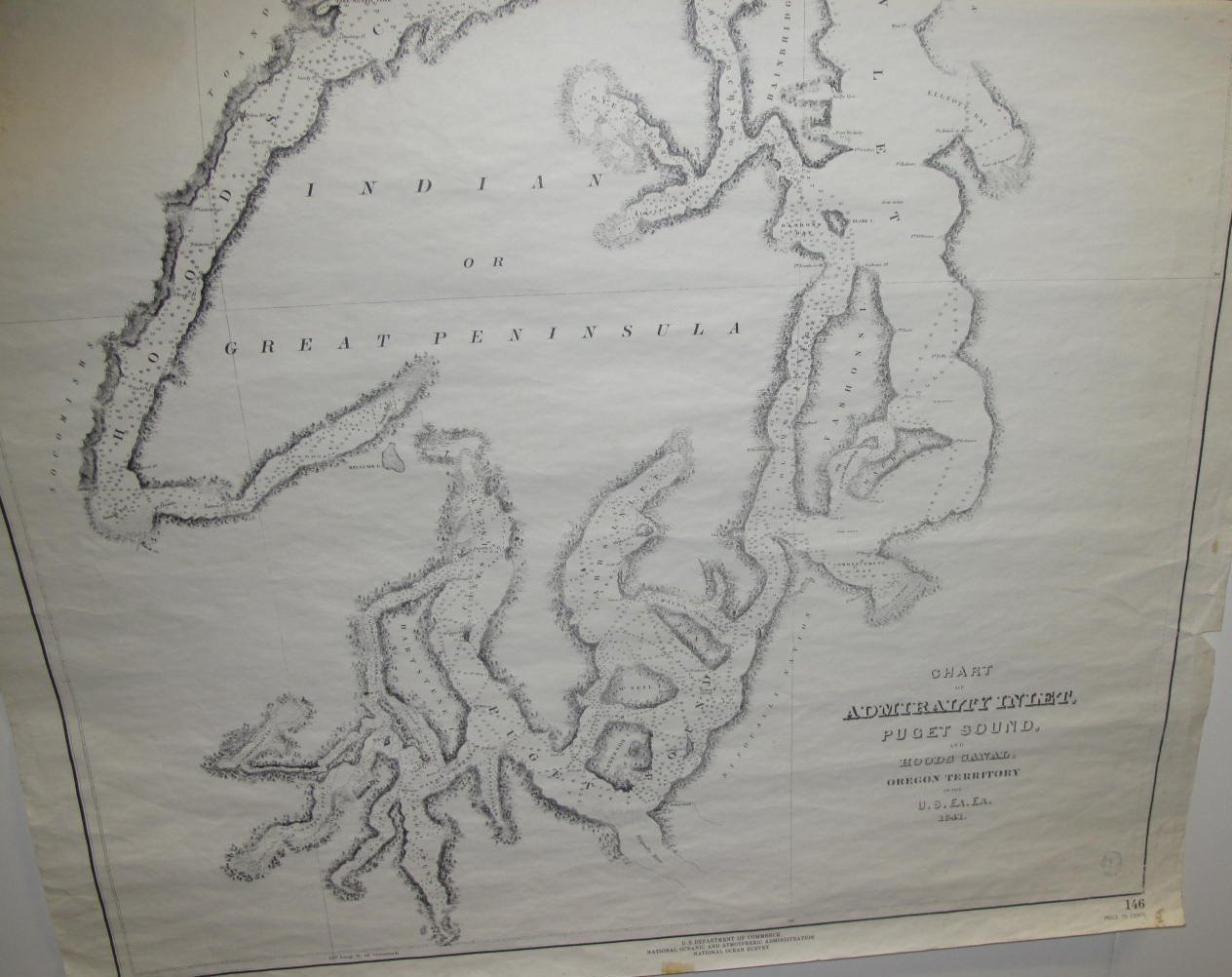
In May 1792, British Captain George Vancouver sailed into Puget Sound aboard HMS Discovery and anchored off the southeast tip of Bainbridge Island. His officers explored and charted the waters around them and gave them English names that are still on our maps. Fifty years later, an American expedition mapped the area again in more detail and added names of its own. Its 1841 chart, shown here, calls the whole Kitsap Peninsula the “Indian or Great Peninsula” and traces Hood’s Canal, Bainbridge Island and the inlets around today’s Bremerton. But these were already Indigenous homelands, with long-established place names and deep knowledge of the waterways.
“The various groups of Indians on Puget Sound treated the strangers in equal manner, trading them fresh venison, fish, native berries and roots for beads, cloth and iron.”
“I venture nothing in saying, there is no country in the world that possesses waters equal to these.”
Lt. Charles Wilkes, U.S. Exploring Expedition, 1841
- May 1792
Vancouver anchors off a point he names Restoration Point. His crew meets Suquamish people at a village nearby, and Lt. Peter Puget sets out in small boats to explore the southern Sound.
- 1792
Ship’s clerk H. M. Orchard finds the way into the waters off today’s Bremerton, which Vancouver names Port Orchard. He also names Hood’s Channel, now Hood Canal.
- 1841
Lt. Charles Wilkes and the U.S. Exploring Expedition chart Kitsap’s waters. They name Bainbridge Island, Port Madison, Agate Passage (for expedition artist Alfred Agate), and Sinclair and Dyes Inlets.
Timber, Treaties and a New County
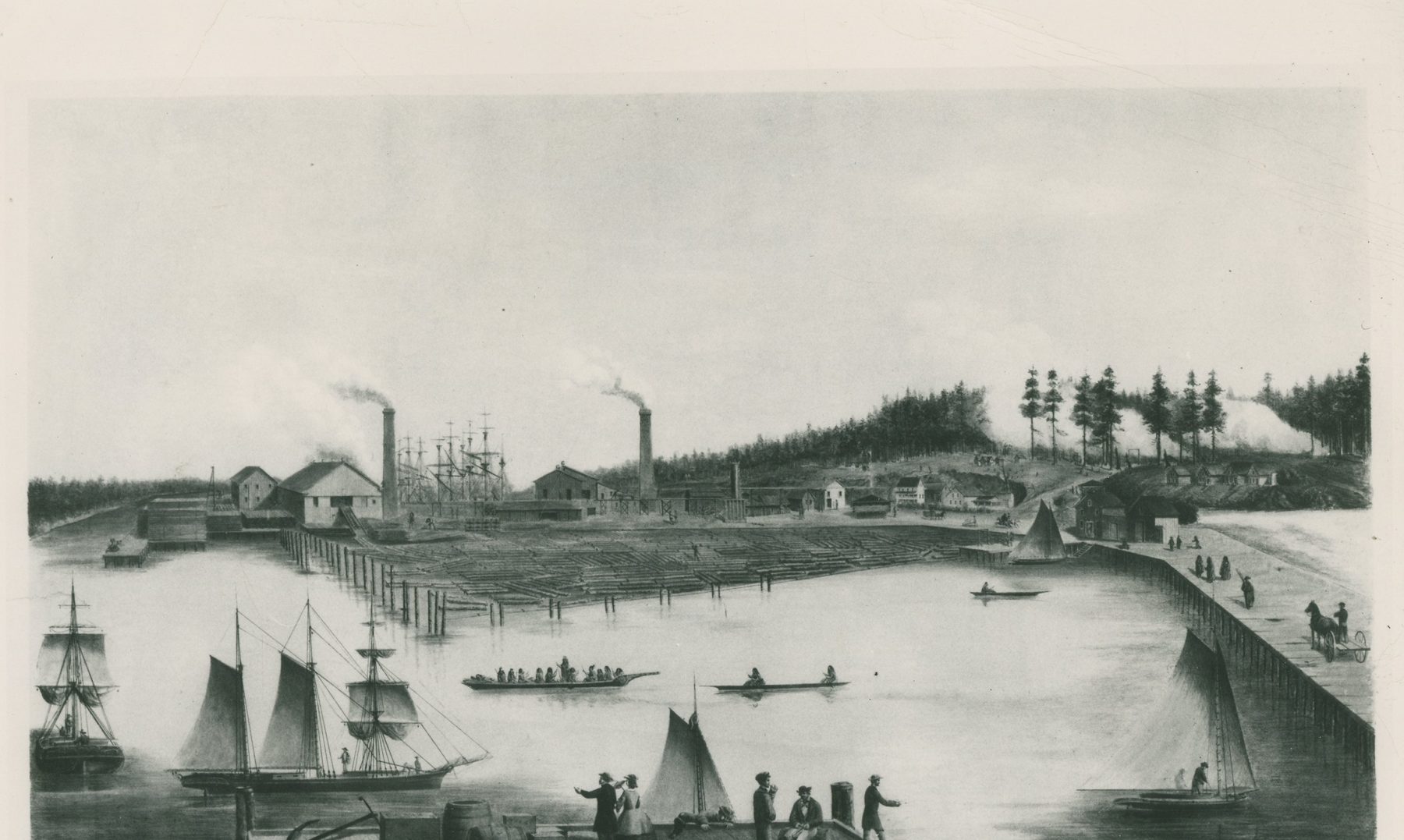
The California Gold Rush created a huge demand for lumber, and Kitsap’s giant trees grew right down to the water, so sawmills came quickly to Port Gamble, Port Madison, Port Blakely and Seabeck. The lithograph shown here pictures the Puget Mill Company’s mills at Teekalet, today’s Port Gamble, with sailing ships and canoes in the harbor. At the same time, the United States moved to take the land. In 1855, tribal leaders signed treaties that ceded most of their homelands while reserving land and the right to fish at their usual and accustomed places and to hunt and gather. The talks were held in great haste, and disputes over what the treaties meant continue today.
“The talks were ill-conceived from the start: they were conducted not in each tribe’s native tongue, but in Chinook Jargon, a pidgin trade language with just a few hundred words.”
- 1853
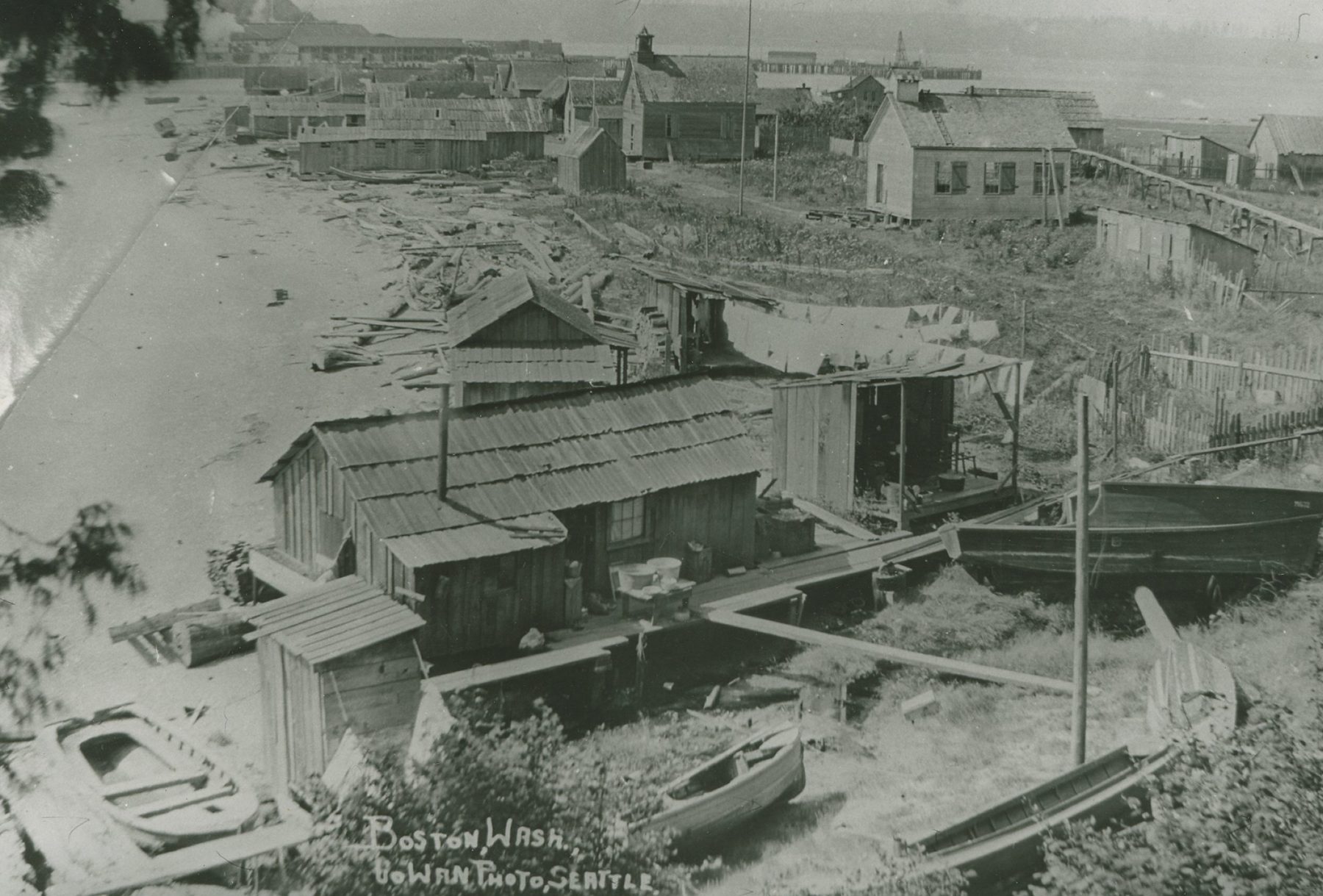
Pope & Talbot’s Puget Mill Company builds a sawmill at Port Gamble, where a S’Klallam village already stands. S’Klallam families are later pushed across the bay to Point Julia, today’s Little Boston, pictured below. The mill runs for 142 years, until 1995.
- 1854
George Meigs moves a sawmill to Port Madison on Bainbridge Island. Port Madison grows into an important mill town.
- January 22, 1855
At Point Elliott (Mukilteo), Si’ahl and other Suquamish and Duwamish leaders sign the Treaty of Point Elliott. The Port Madison Reservation is set aside for the Suquamish.
- January 26, 1855
S’Klallam, Twana (Skokomish) and Chimakum leaders sign the Treaty of Point No Point at the northern tip of the Kitsap Peninsula. Both treaties reserve the tribes’ right to fish at their “usual and accustomed grounds and stations.”
- 1857
On January 16 the territorial legislature creates Slaughter County, named for an Army officer killed in the Puget Sound War. On July 13 voters rename it Kitsap County, after the Suquamish leader. Port Madison is the county seat.
- 1864
William Renton opens a mill at Port Blakely on Bainbridge Island. It grows into one of the largest sawmills in the world.
- June 7, 1866
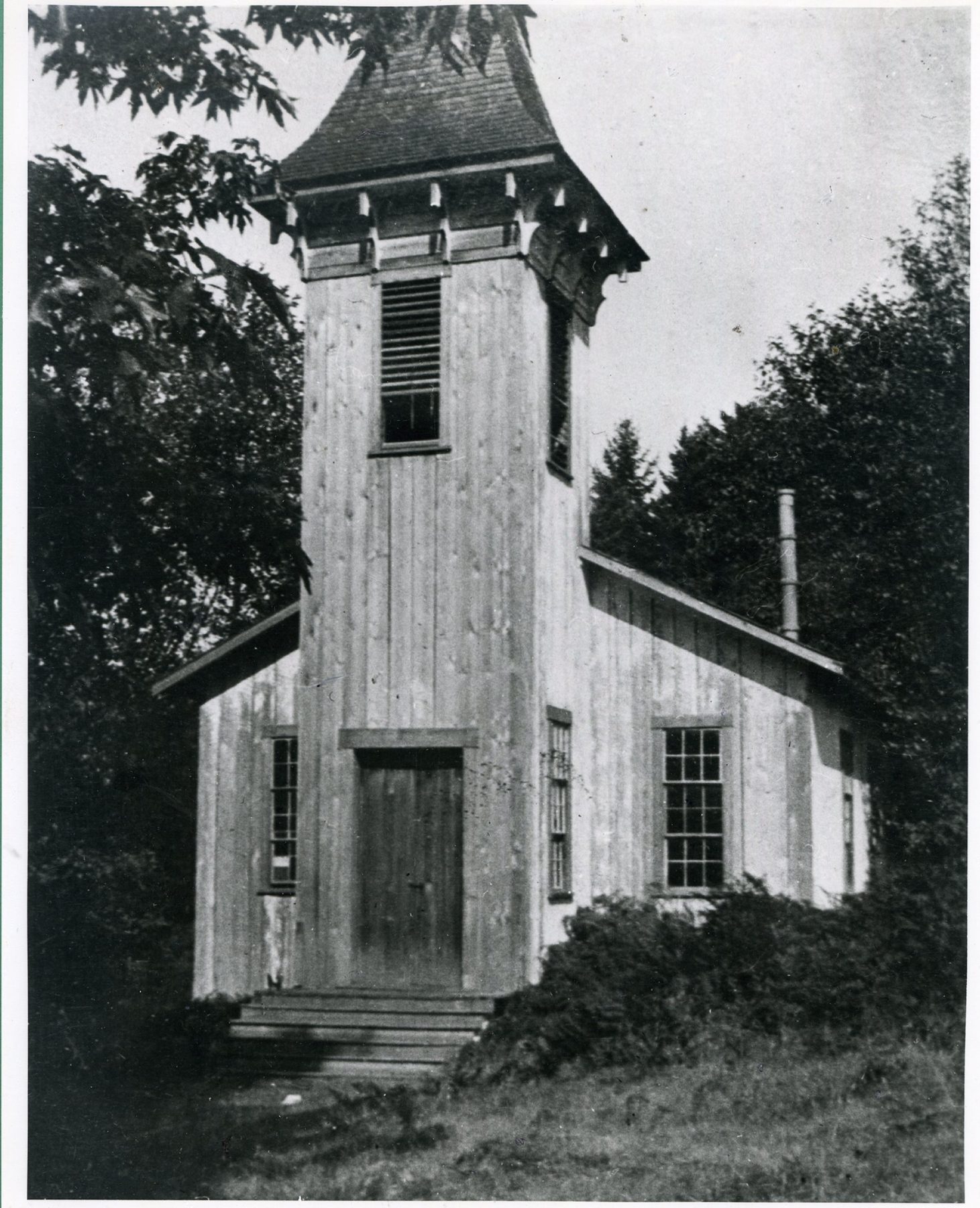
Si’ahl (Chief Seattle) dies at Suquamish and is buried there, above Agate Passage.
- 1870
The U.S. government orders Old Man House burned, to break up Suquamish communal living and push families into separate houses.
Explore moreWatch: Treaty Rights & Shared Responsibilities (History UnCorked)
Beyond our museumSuquamish Museum (opens in a new tab)Bainbridge History Museum (opens in a new tab)
Mill Towns, Stump Farms and Steamers
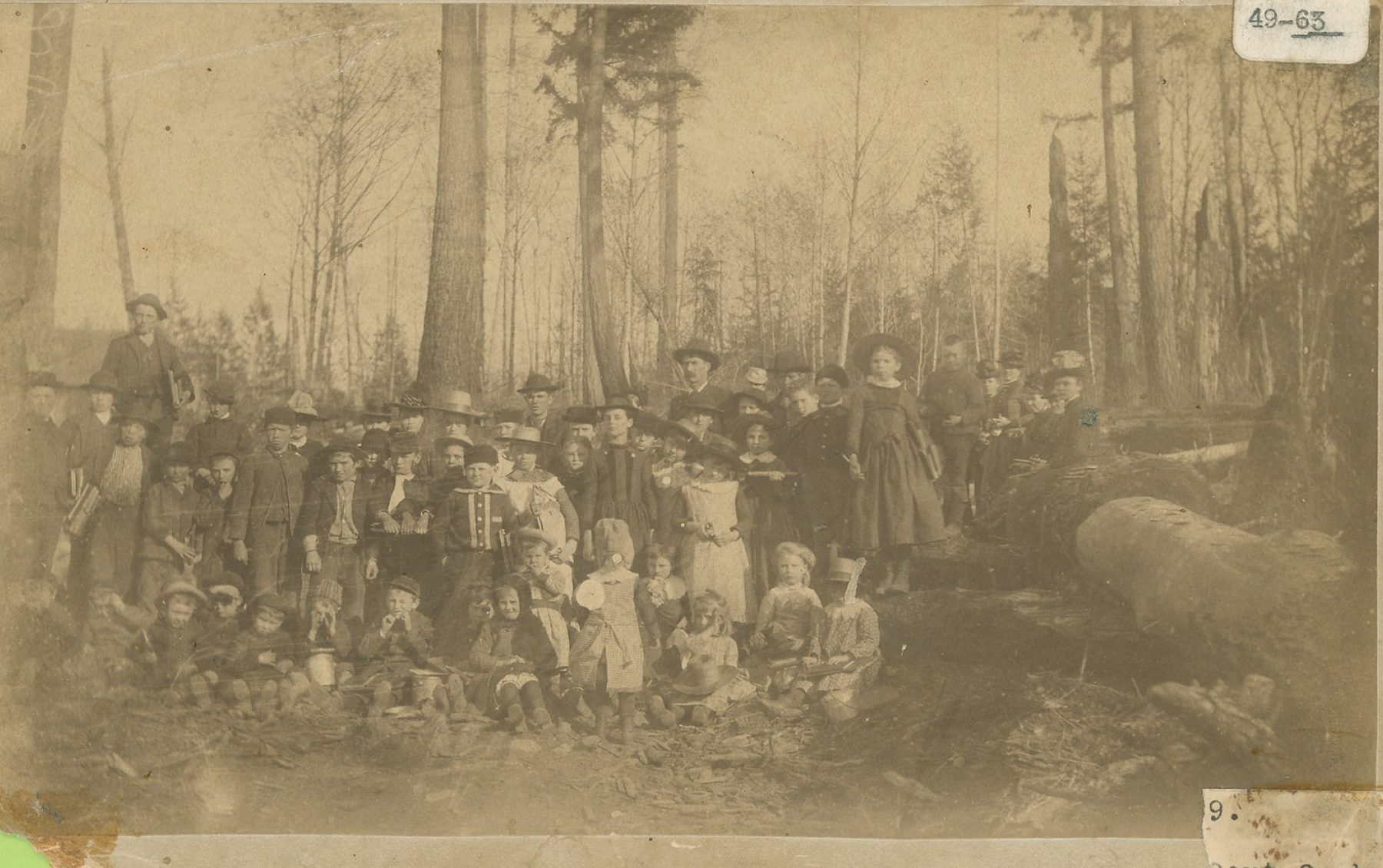
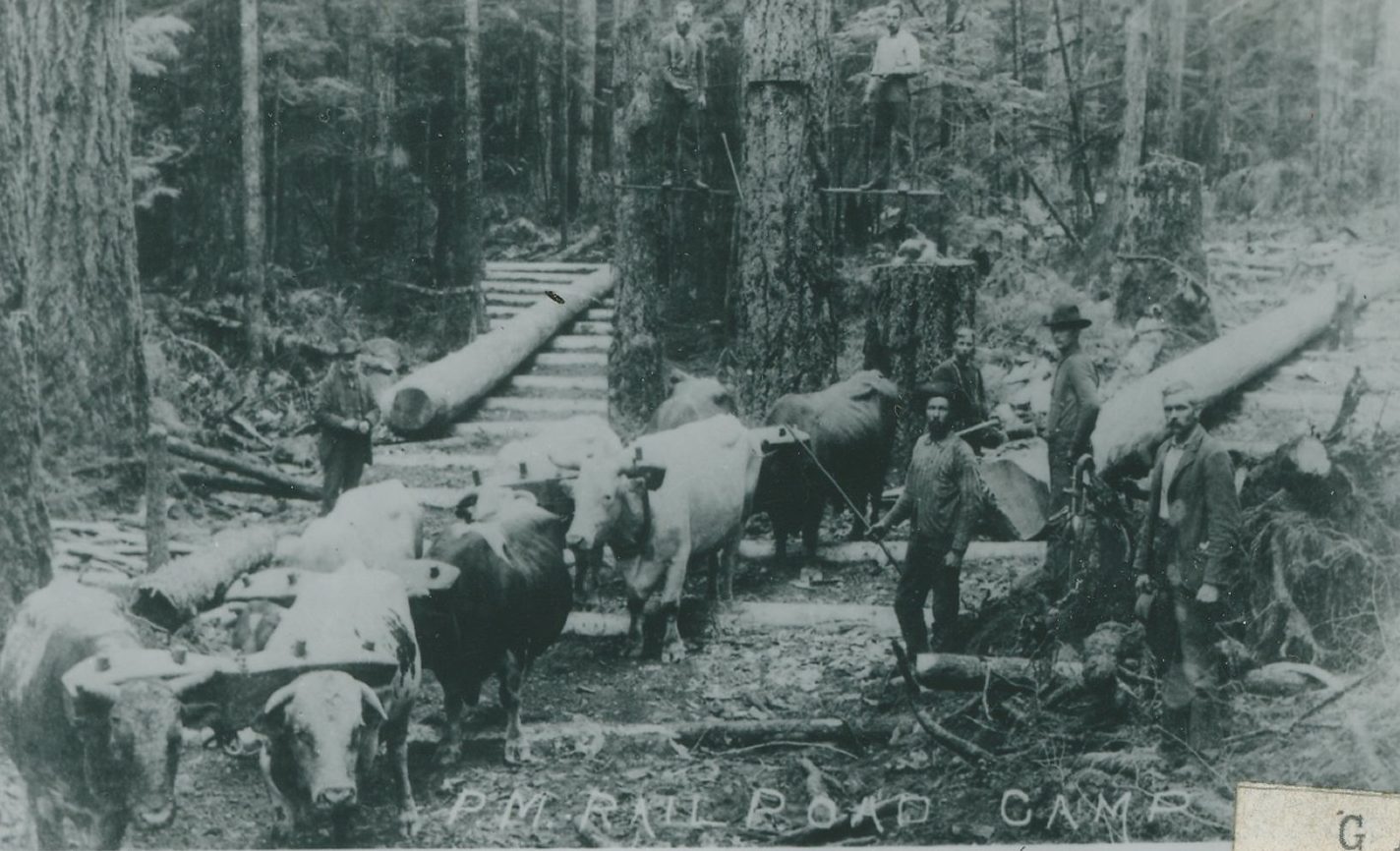
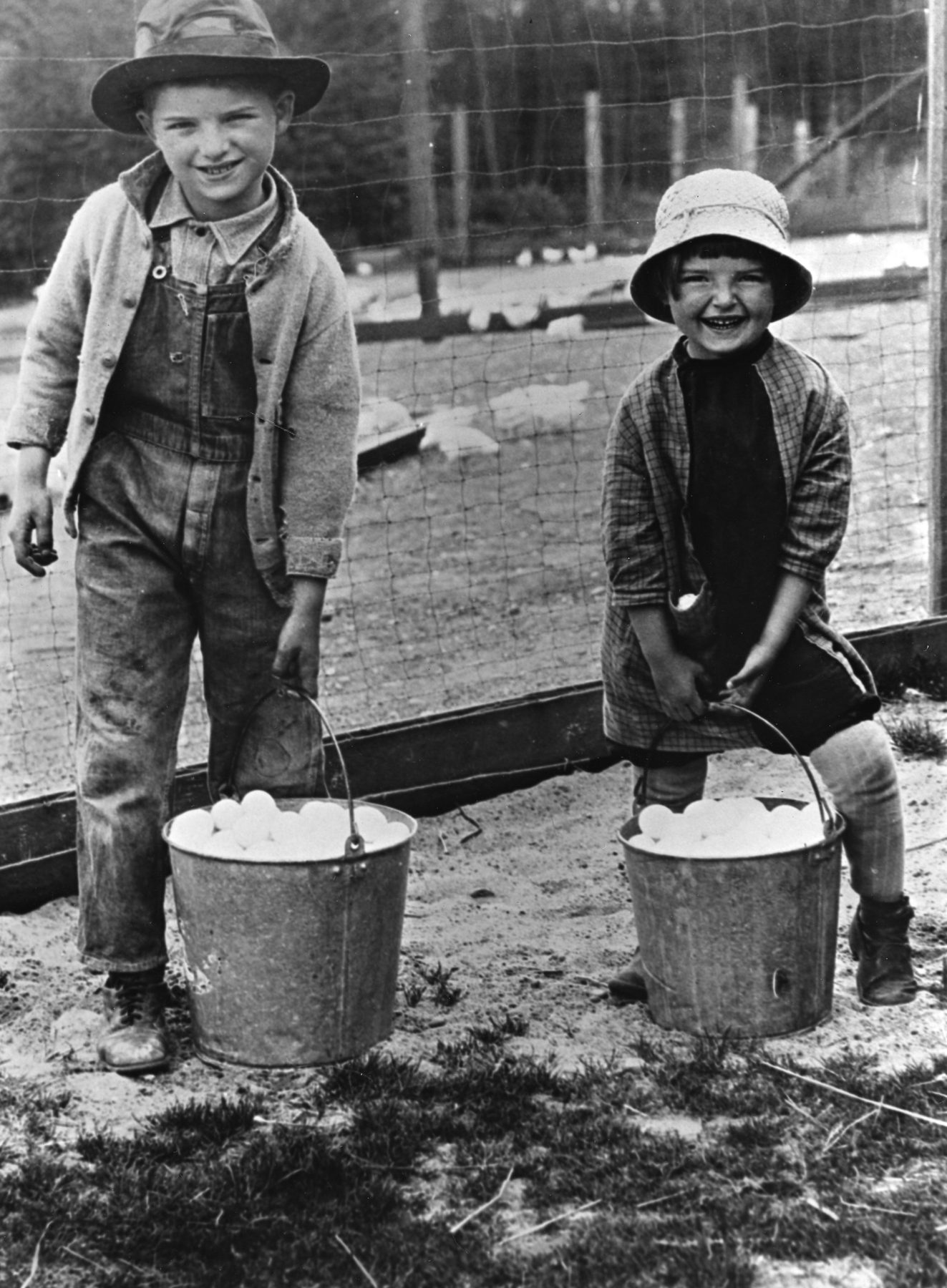
By the 1880s, Kitsap’s sawmills were among the biggest on the Pacific Coast, and Port Blakely’s was at one time called the largest in the world. Mill work drew people from New England and the Midwest, Norway, Finland and the British Isles, Hawai‘i, China, Japan and the Philippines. As the forests were cut, families took up homesteads among the giant stumps the loggers left behind, like the ones around the Sidney schoolchildren shown here in 1889. These “stump farms” usually had a cow, a few chickens and a garden. Chickens didn’t need cleared land, and chicken ranching grew into one of Kitsap’s big industries.
- Late 1860s
Mosquito Fleet The steamer Phantom begins regular runs between Port Madison and Seattle, an early start for the Mosquito Fleet.
- 1883
A Port Blakely mill worker listed as “Manilla” is the first Filipino known to have lived in Washington Territory.
- 1883
Norwegian immigrant Jørgen Eliason settles at the head of Dogfish Bay, today’s Liberty Bay. Poulsbo grows into a Scandinavian fishing and farming town.
- 1885
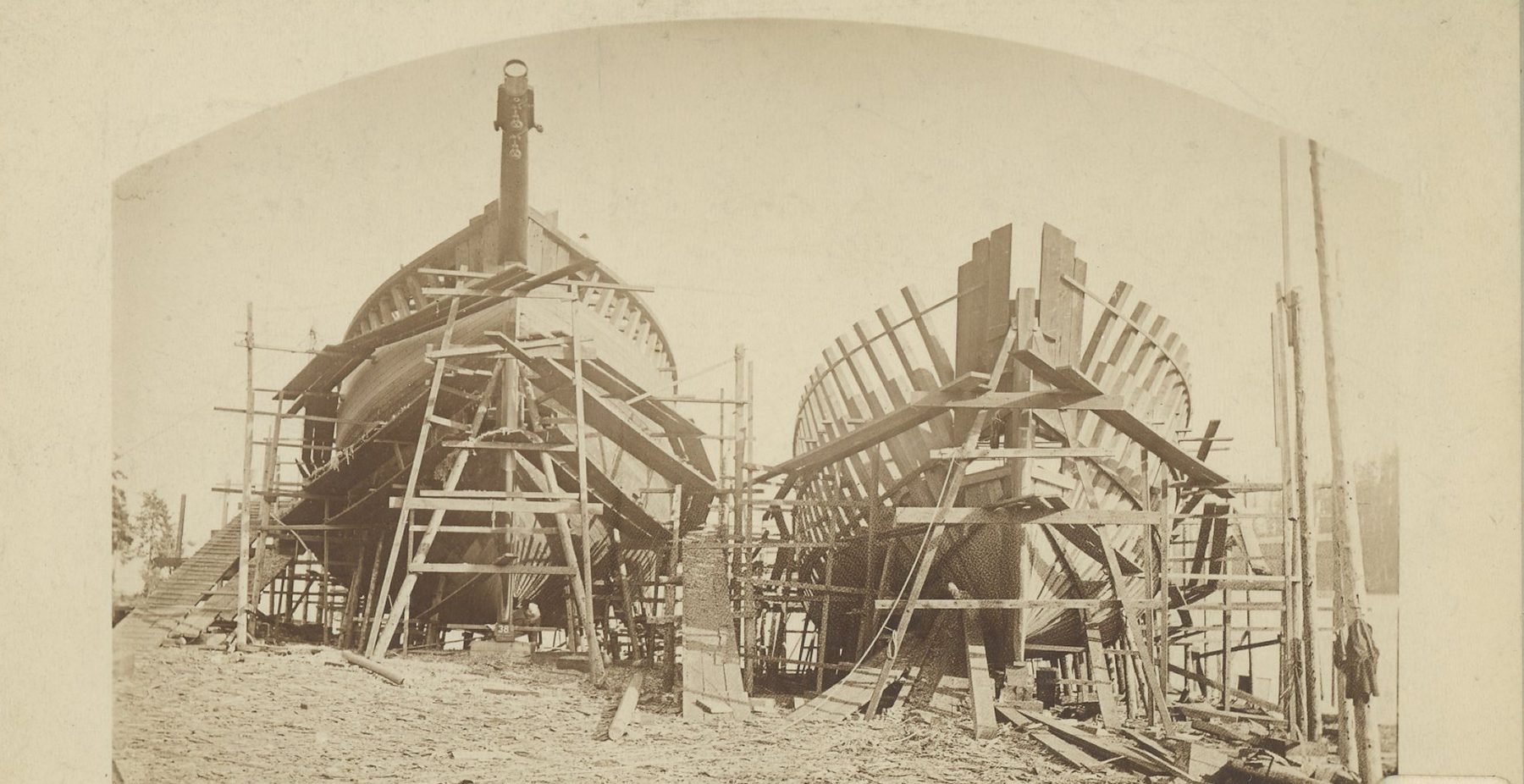
Mosquito Fleet The little steamer Helen begins one of the first scheduled runs between Seattle and Sidney, carrying passengers, freight and mail. Soon dozens of little steamers link every dock on the peninsula to Seattle and Tacoma. Explore the Mosquito Fleet →
- 1886
Sidney, today’s Port Orchard, is laid out. The same year, fire destroys the Seabeck mill, and the mill is never rebuilt.
- November 11, 1889
Washington becomes the 42nd state.

Explore moreKitsap’s Mosquito FleetHistory of the Mosquito FleetOral Histories: stump farmers and steamboat captains
Beyond our museumPoulsbo Historical Society (opens in a new tab)Bainbridge History Museum (opens in a new tab)
The Navy Comes to Kitsap
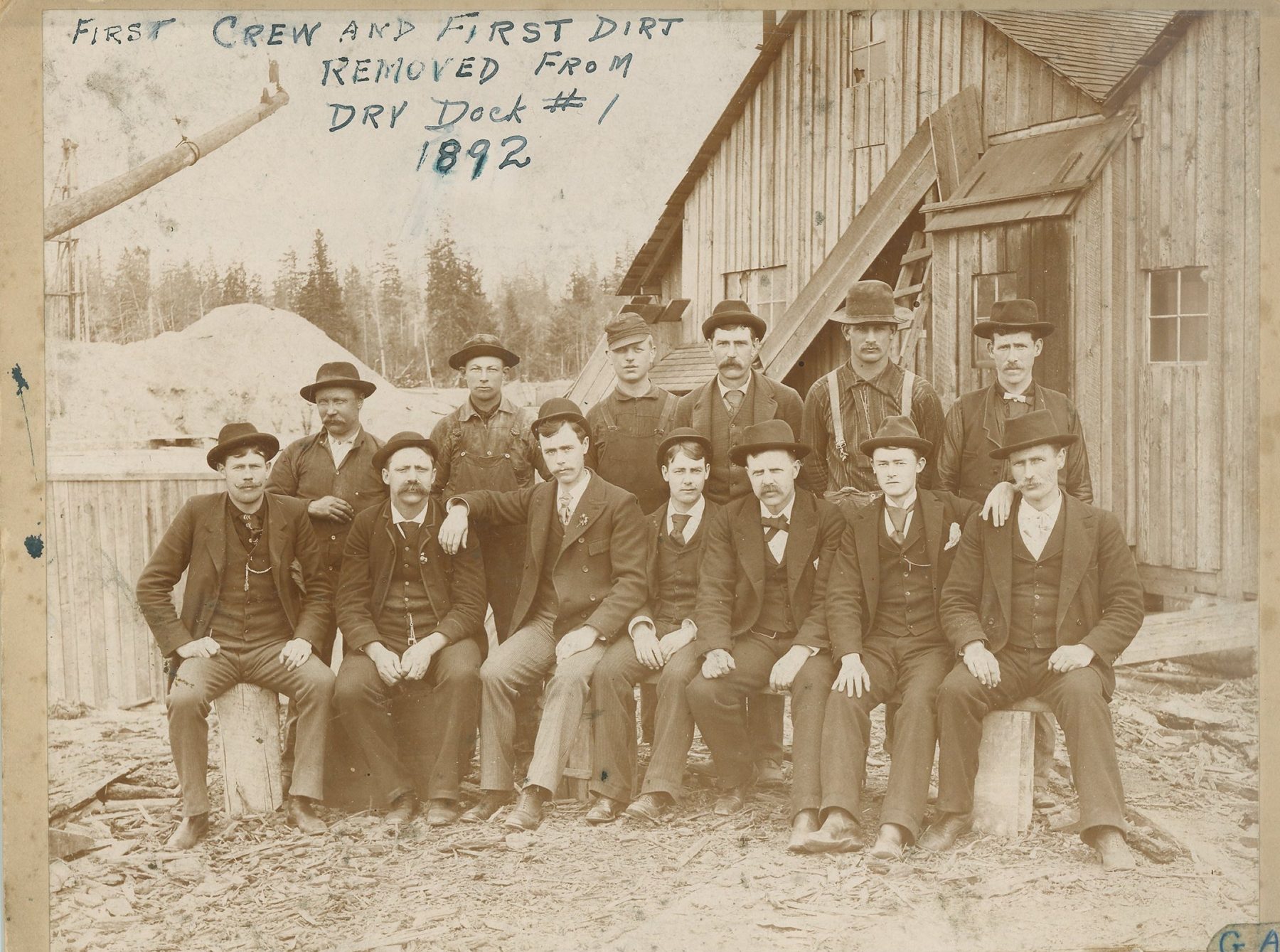
In 1891 the Navy chose Point Turner, on Sinclair Inlet, for a new naval station. Lt. Ambrose B. Wyckoff bought about 190 acres from William Bremer and his neighbors, at $50 an acre. Bremer laid out a town next door, and Bremerton grew up around the shipyard gate. The crew shown here, photographed in 1892, did the first work on Dry Dock No. 1. From then on, the Navy Yard shaped Kitsap’s growth more than anything else.
- September 16, 1891
Naval Station Puget Sound is established, with Wyckoff as its first commandant. In December, William Bremer files the plat for Bremerton.
- 1893
After the Port Madison mill closes and a vote in 1892, the county seat moves to Sidney (Port Orchard), where it remains.
- 1897
The battleship USS Oregon becomes the first battleship to use the station’s new dry dock.
- 1901
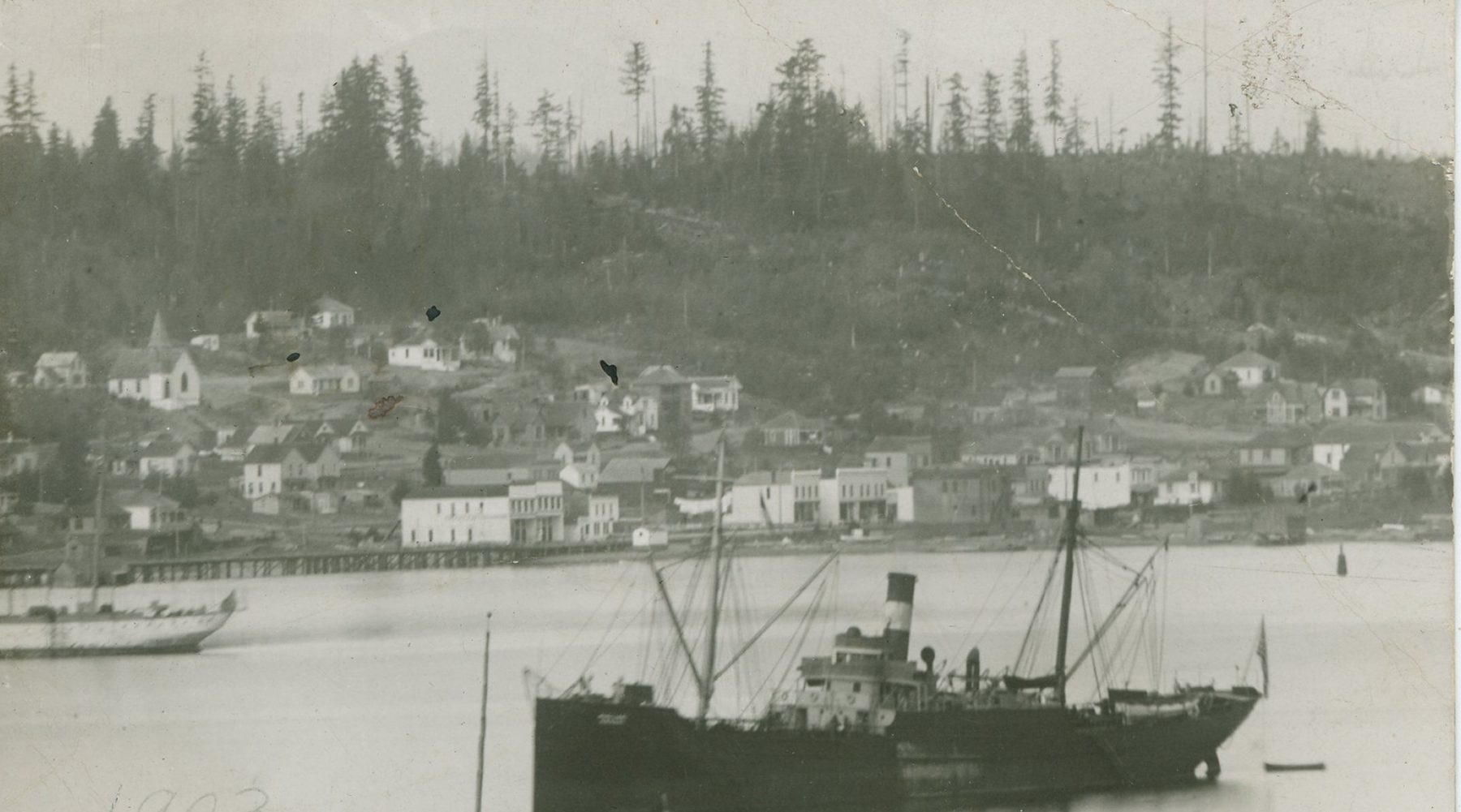
Bremerton becomes a city, and the station becomes Navy Yard Puget Sound.
- 1903 – 1923
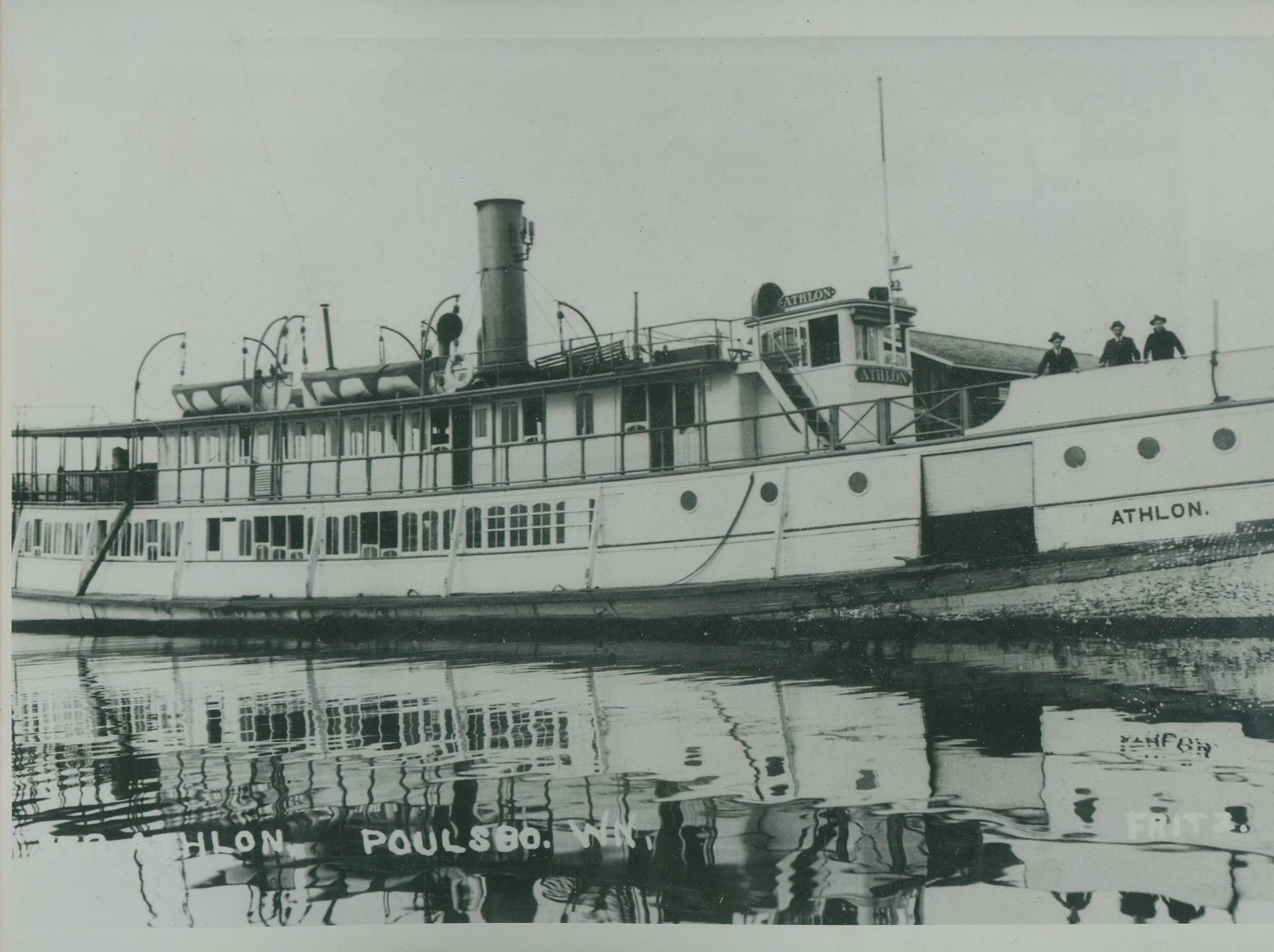
Mosquito Fleet Two steamship lines battle for Kitsap’s passengers: the Black Ball Line and the Kitsap County Transportation Company, the “White Collar Line.” In 1909 the fast, luxurious H.B. Kennedy starts the Port Orchard Route, making the Bremerton–Seattle run in 45 minutes. Read about the H.B. Kennedy →
- 1909
Fred R. Lewis buys a Bremerton mortuary and founds what becomes the Lewis Funeral Chapel. With few roads, caring for the dead often meant a boat trip and a long hike through the woods. Watch the Kitsap Story →
- 1914
The Navy takes land at Keyport, through condemnation, for a torpedo station. Today it is the Naval Undersea Warfare Center Division, Keyport.
- 1917 – 1918
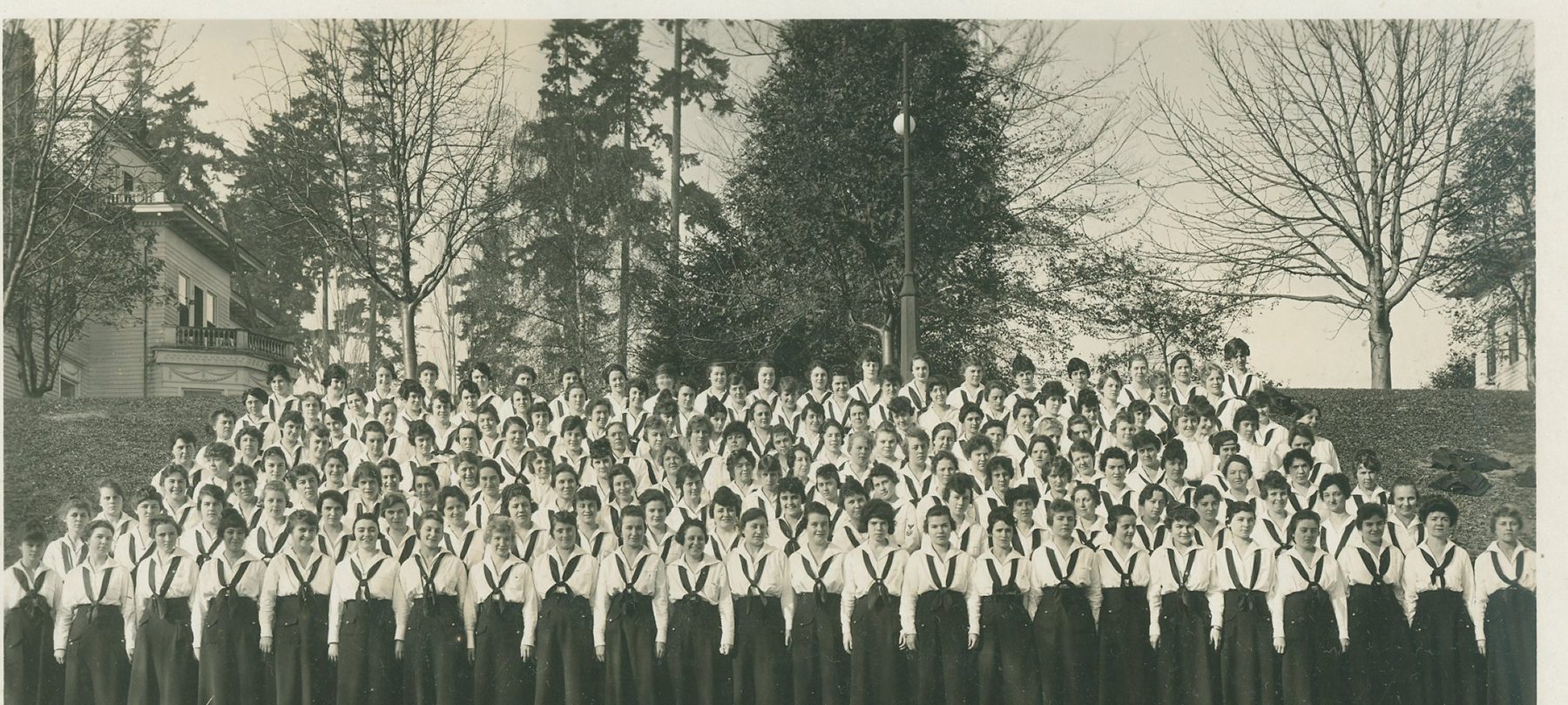
During World War I, the Yard builds ships while East Coast yards handle repairs. Women join the Navy as Yeomen (F), “Yeomanettes,” with the same pay as men of the same rank. Bremerton’s population nearly triples between 1910 and 1920.
- 1917
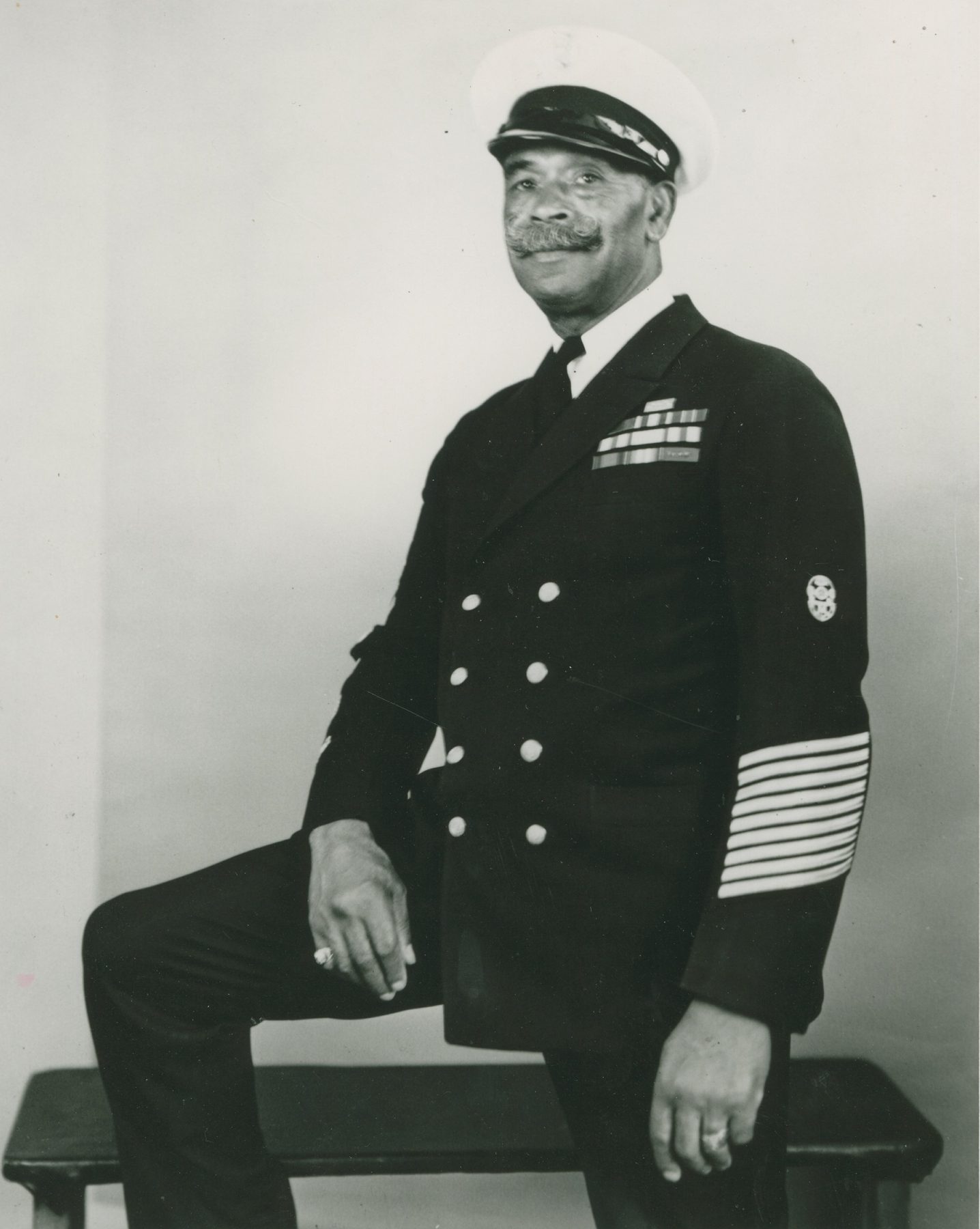
John Henry “Dick” Turpin, a Navy veteran of the Spanish-American War, becomes one of the Navy’s first African American Chief Petty Officers. He later makes his home in Bremerton. His portrait is below. Watch his Kitsap Story →
- 1921
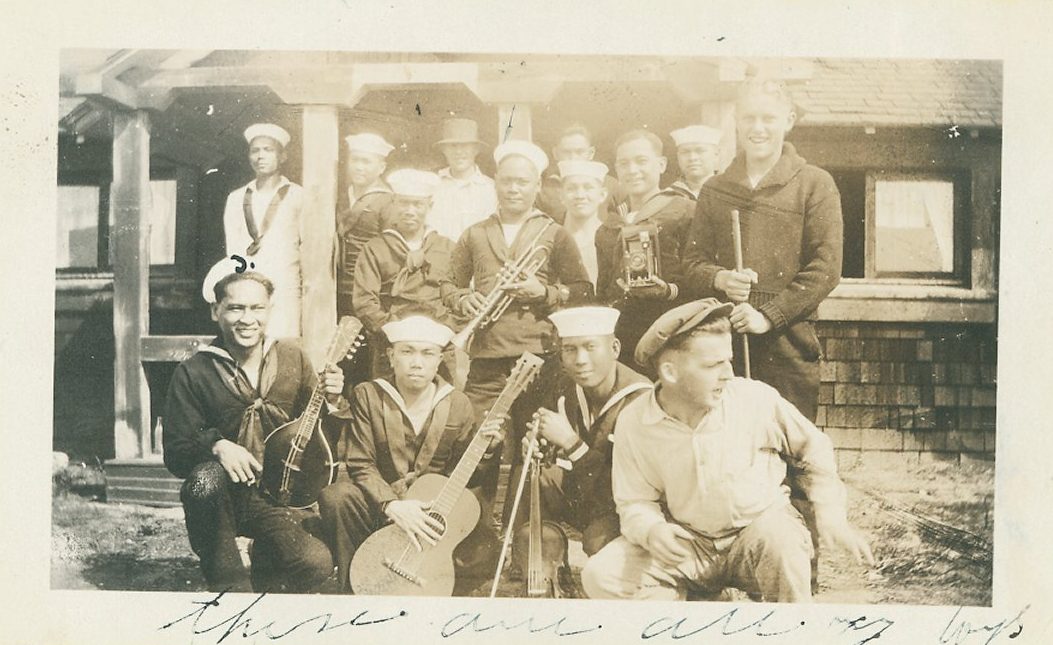
The Filipino Club of Bremerton is founded. Today’s Filipino American Association of Kitsap County is the oldest Filipino American community group in the state.
- 1927
Bremerton and its neighbor Charleston combine under the name Bremerton.
Explore moreCharleston RememberedBlack Trailblazers of KitsapKitsap Stories: John Henry TurpinKitsap Stories: Lewis Funeral ChapelFilipino American Pioneers
Beyond our museumPuget Sound Navy Museum (opens in a new tab)Naval Undersea Museum, Keyport (opens in a new tab)
Berries, Bridges and Hard Times
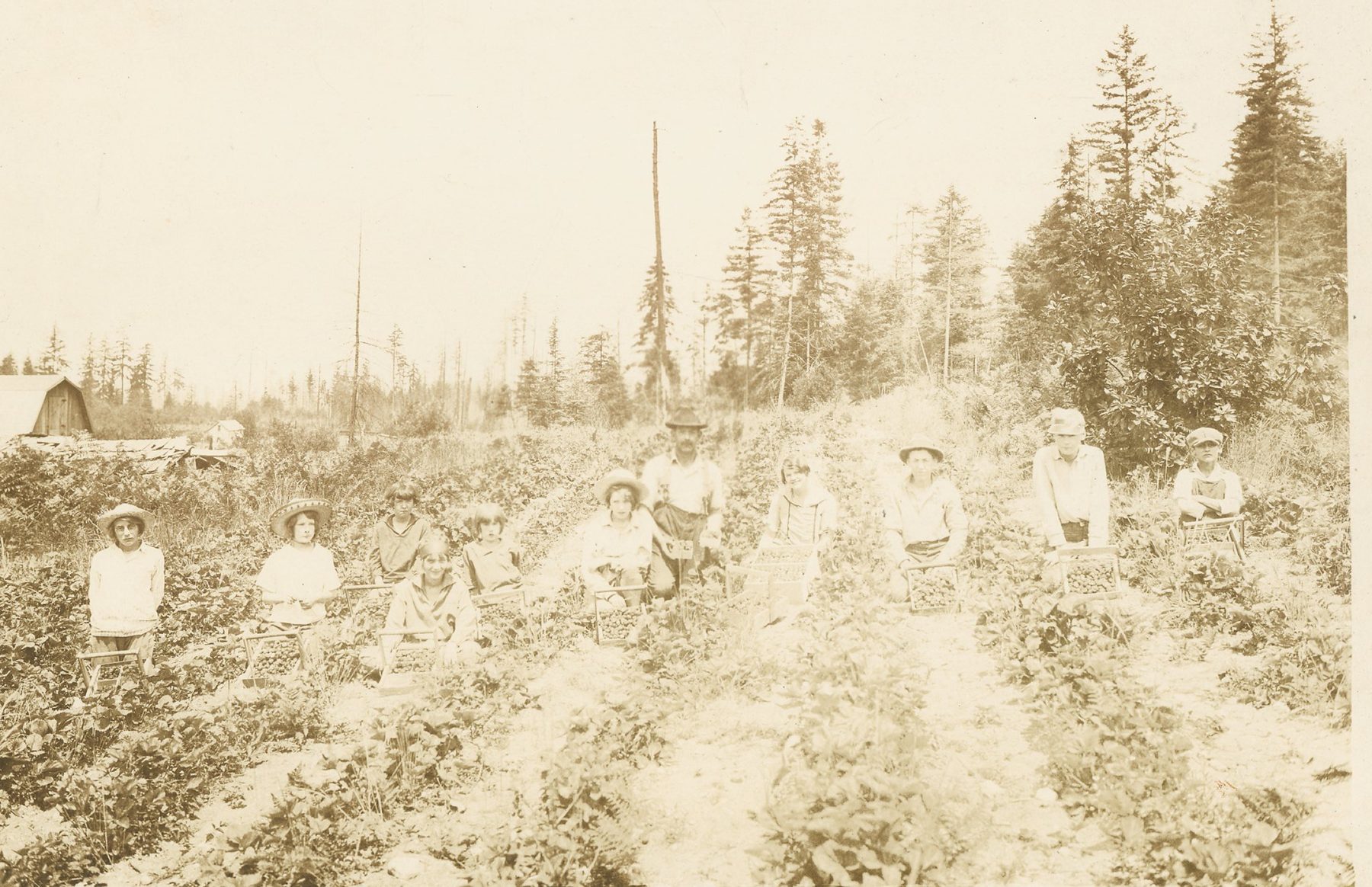
Strawberries grew so well in Kitsap’s soil and climate that berry farms spread from Olalla to Poulsbo, and Bainbridge Island had its own cannery. Pickers like these on S.J. Ives’s farm in Bethel, shown here in 1928, spent long days bent over the rows. For much of the 20th century, Japanese American and Filipino American farmers grew most of the county’s strawberries. Meanwhile, automobiles changed how people got around. Car ferries replaced many of the old steamers, and new roads and bridges tied communities together. The Great Depression brought hard times, but work at the Navy Yard helped carry many families through.
- 1928
Yasuji and Mitsuo Suyematsu buy 40 acres on Day Road on Bainbridge Island and clear it for strawberries. Families like theirs make Bainbridge the strawberry capital of the Pacific Northwest.
- June 21, 1930
The Manette Bridge opens, linking Manette and East Bremerton with downtown.
- 1933
The Navy Yard’s 250-ton hammerhead crane is built. It still marks the Bremerton skyline.
- 1935
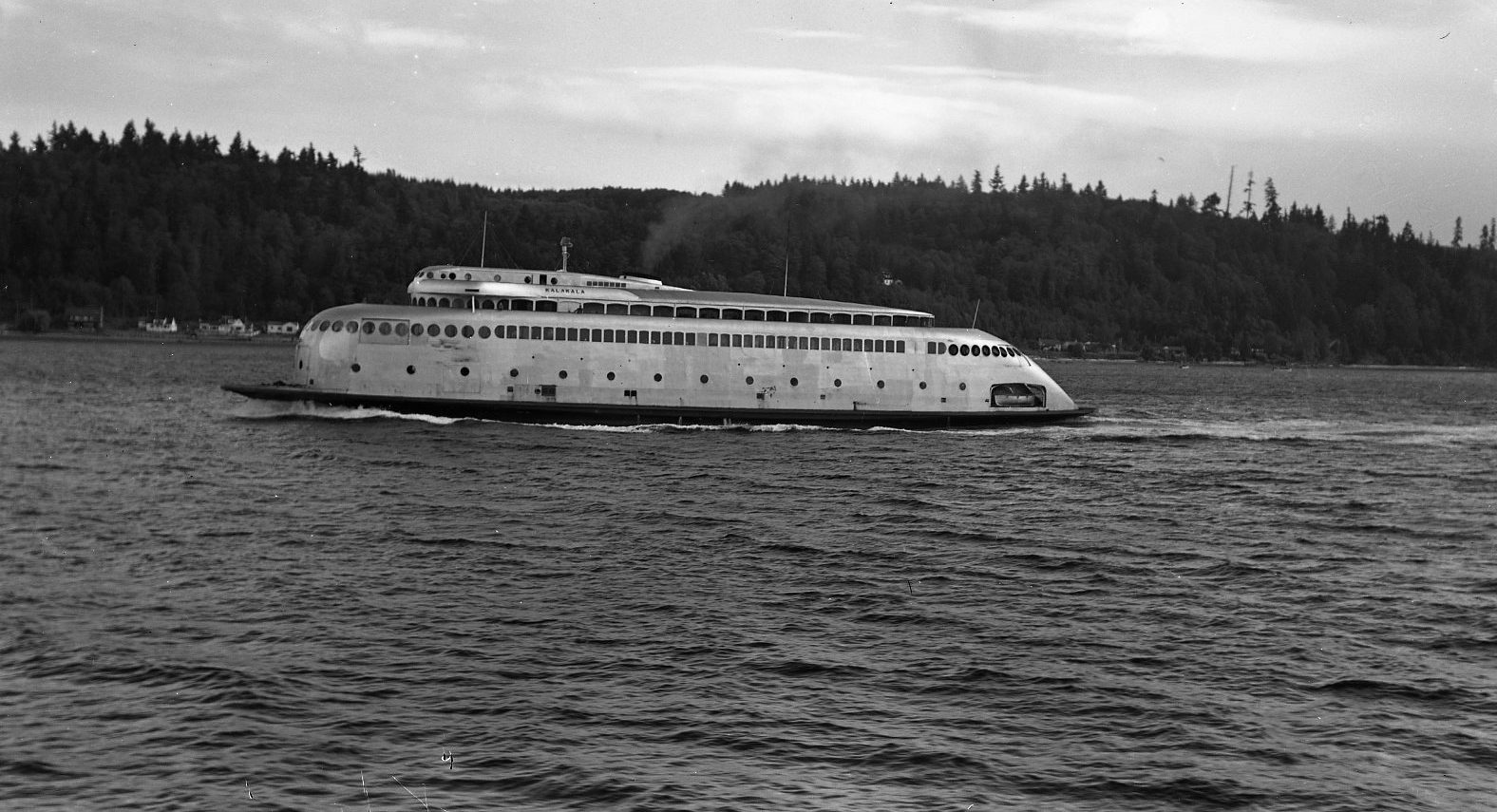
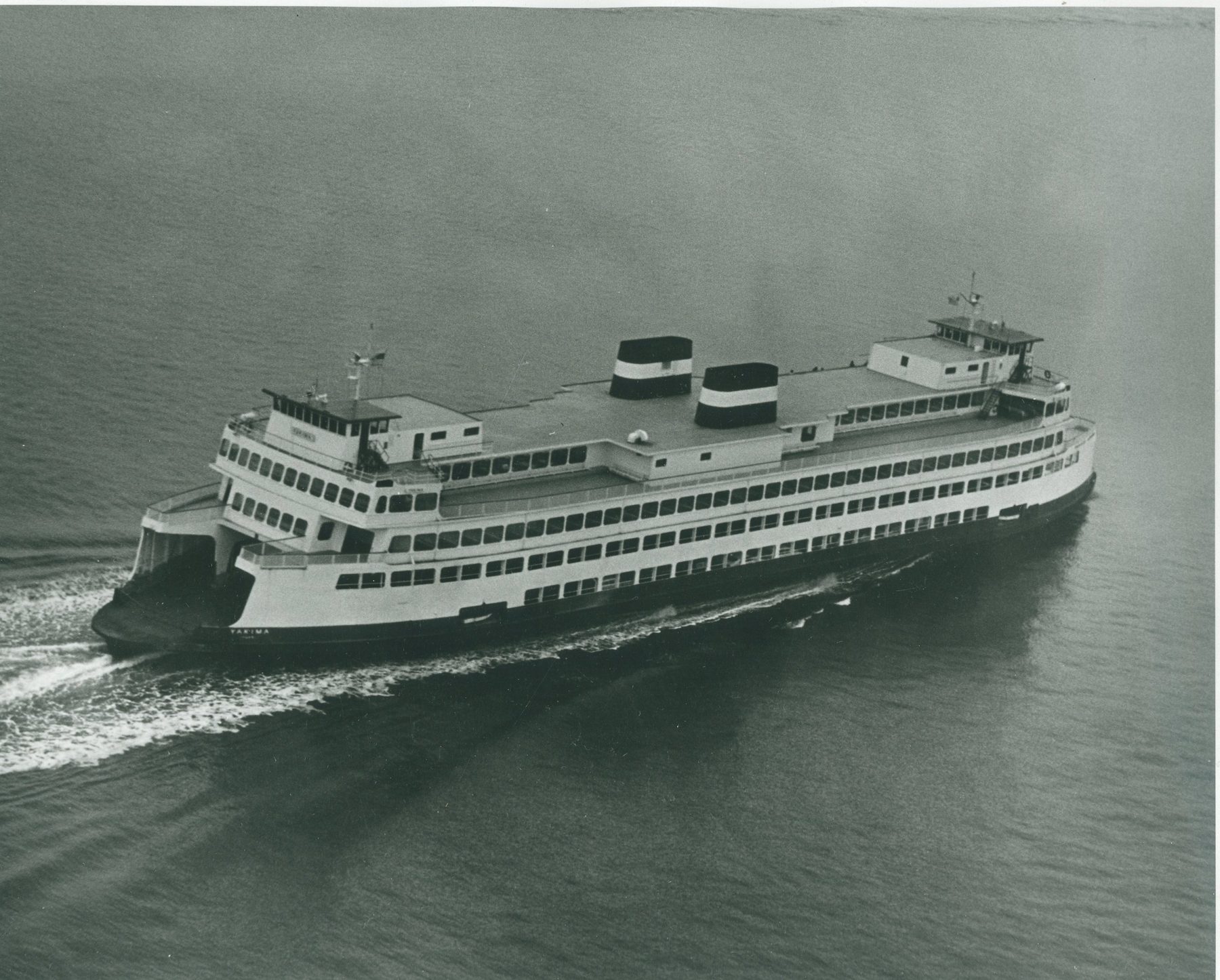
Mosquito Fleet The streamlined ferry Kalakala, from the Chinook Jargon word for “bird,” begins service between Seattle and Bremerton. That fall a 33-day strike stops most ferry service on the Sound. Afterward the Black Ball Line buys out its rival, and by 1936 it runs nearly every route. Read about the Kalakala →
- 1938
After decades of waiting, the Port Gamble S’Klallam Tribe receives a reservation on its own homeland at Little Boston.
- 1940
The first Tacoma Narrows Bridge opens in July, linking the Kitsap Peninsula to Tacoma by road. A windstorm destroys it four months later.
World War II on the Home Front
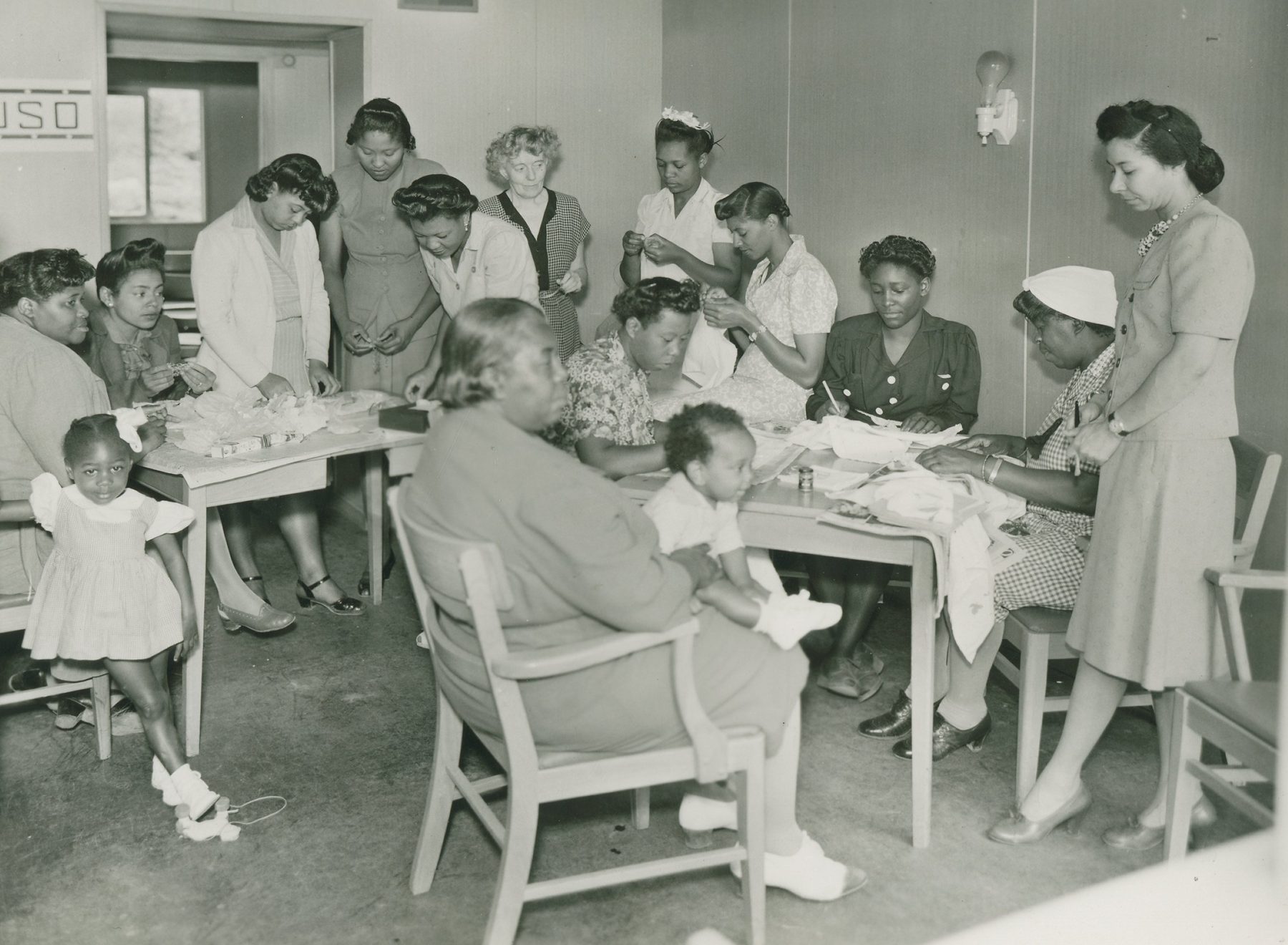
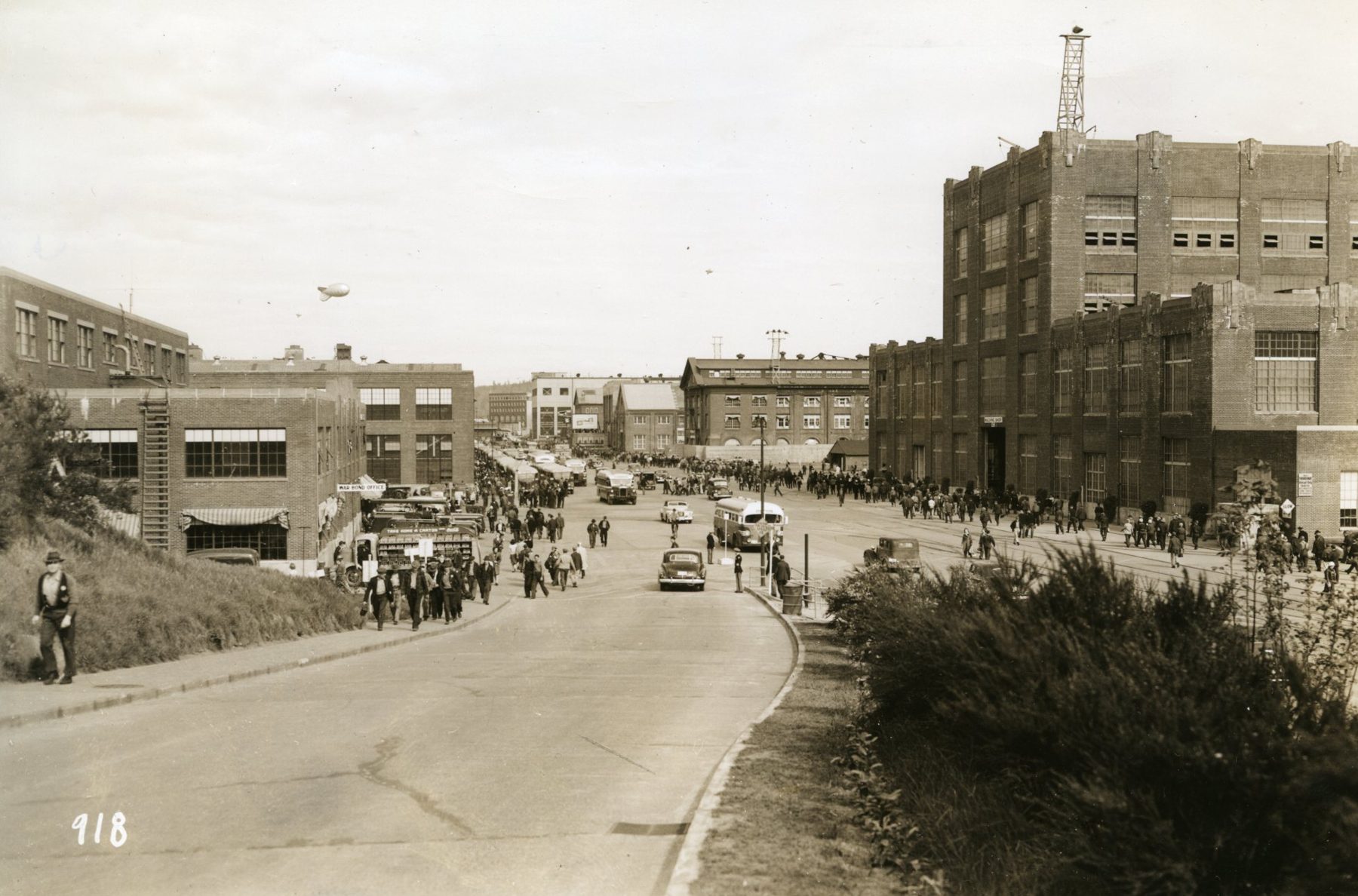
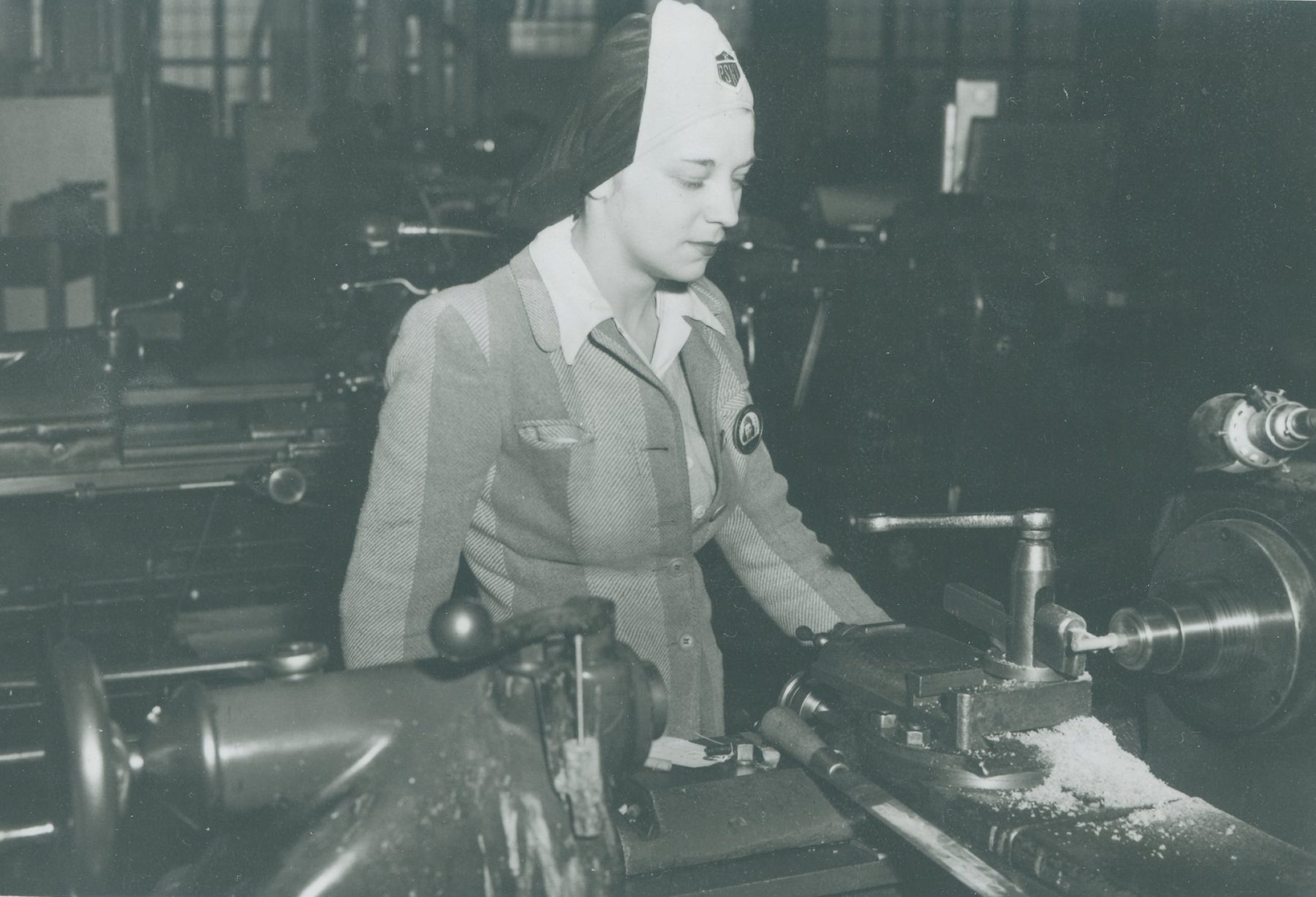
After the attack on Pearl Harbor, the Navy Yard ran around the clock. By the spring of 1943, as many as 300 men a day were arriving to apply for work at the Yard and the ammunition depot. Bremerton grew from about 15,000 people in 1940 to an estimated 82,000 by 1945, and housing authorities built thousands of new homes. Women took shipyard jobs in large numbers; at the peak, 4,266 women worked at the Yard. Thousands of Black workers and their families came for war jobs. They faced segregated housing and limits on where they could live and work, and they built their own community organizations, like the Black women’s USO group shown here.
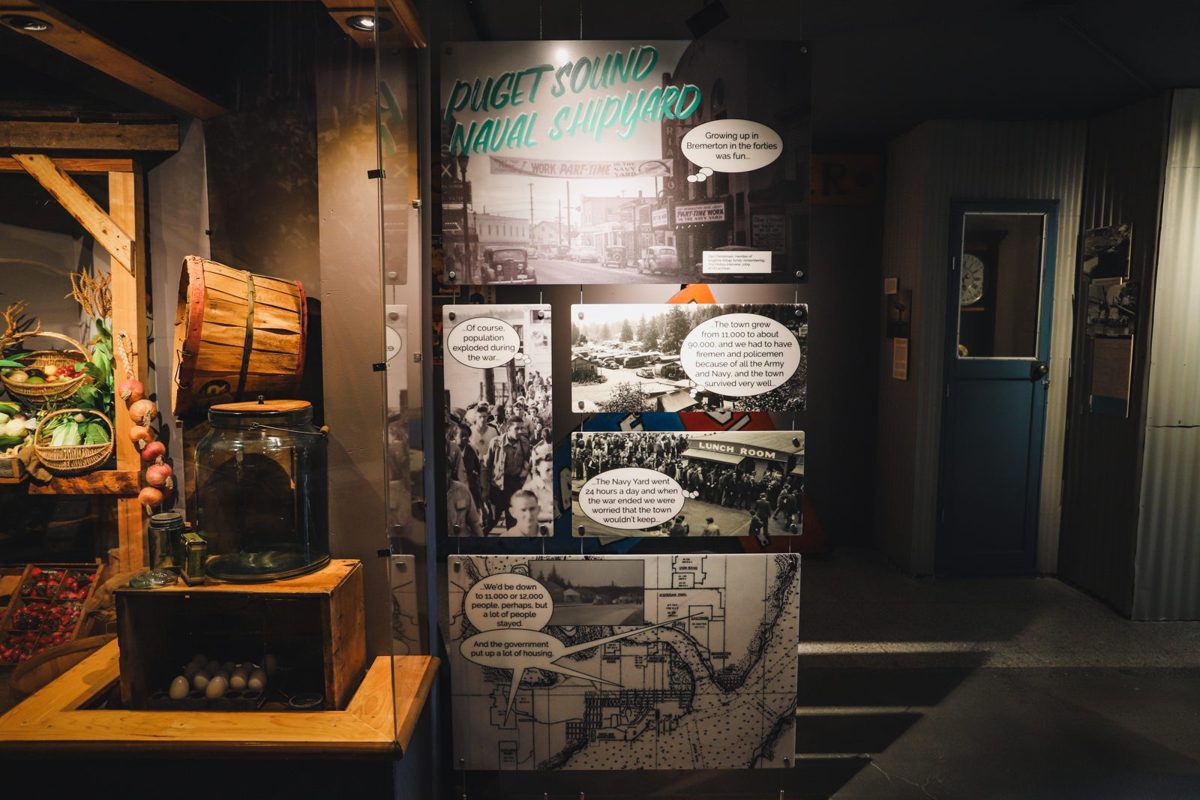
“Growing up in Bremerton in the forties was fun. Of course, population exploded during the war… The Navy Yard went 24 hours a day and when the war ended we were worried that the town wouldn’t keep… but a lot of people stayed.”
Don Christensen, oral history interview, 2009. Kitsap History Museum archives
- March 30, 1942
227 Japanese American residents of Bainbridge Island become the first in the nation forced from their homes under Executive Order 9066. They board a ferry at the Eagledale dock under armed guard. A memorial there now carries the words Nidoto Nai Yoni, “Let it not happen again.”
- April 1942
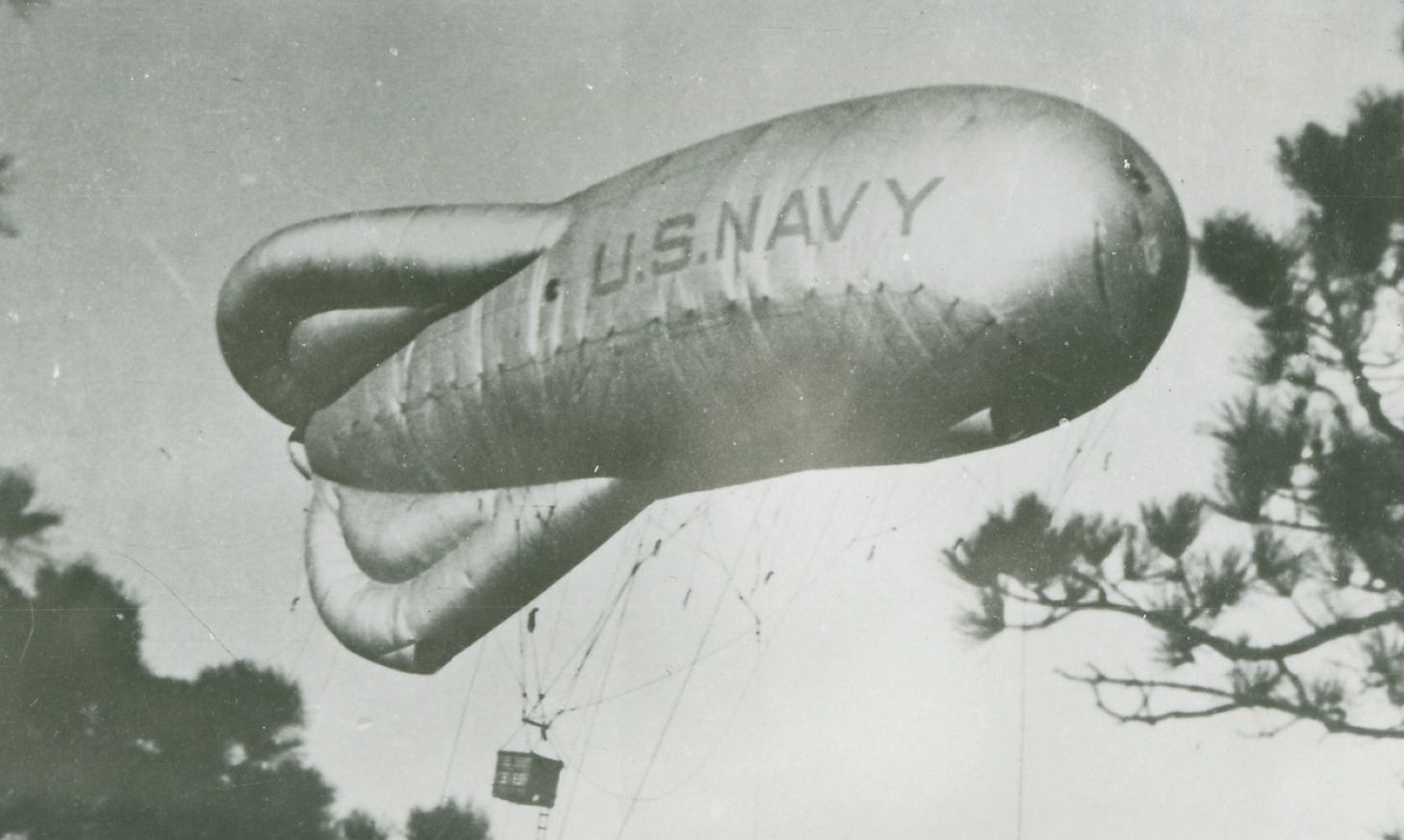
Barrage balloons rise over the Navy Yard and Bremerton to guard against low-flying air attack. Several are pictured below.
- 1942 – 1943
Five of the battleships damaged at Pearl Harbor come to the Yard for repairs and modernization: Tennessee, Maryland, Nevada, California and West Virginia.
- 1943
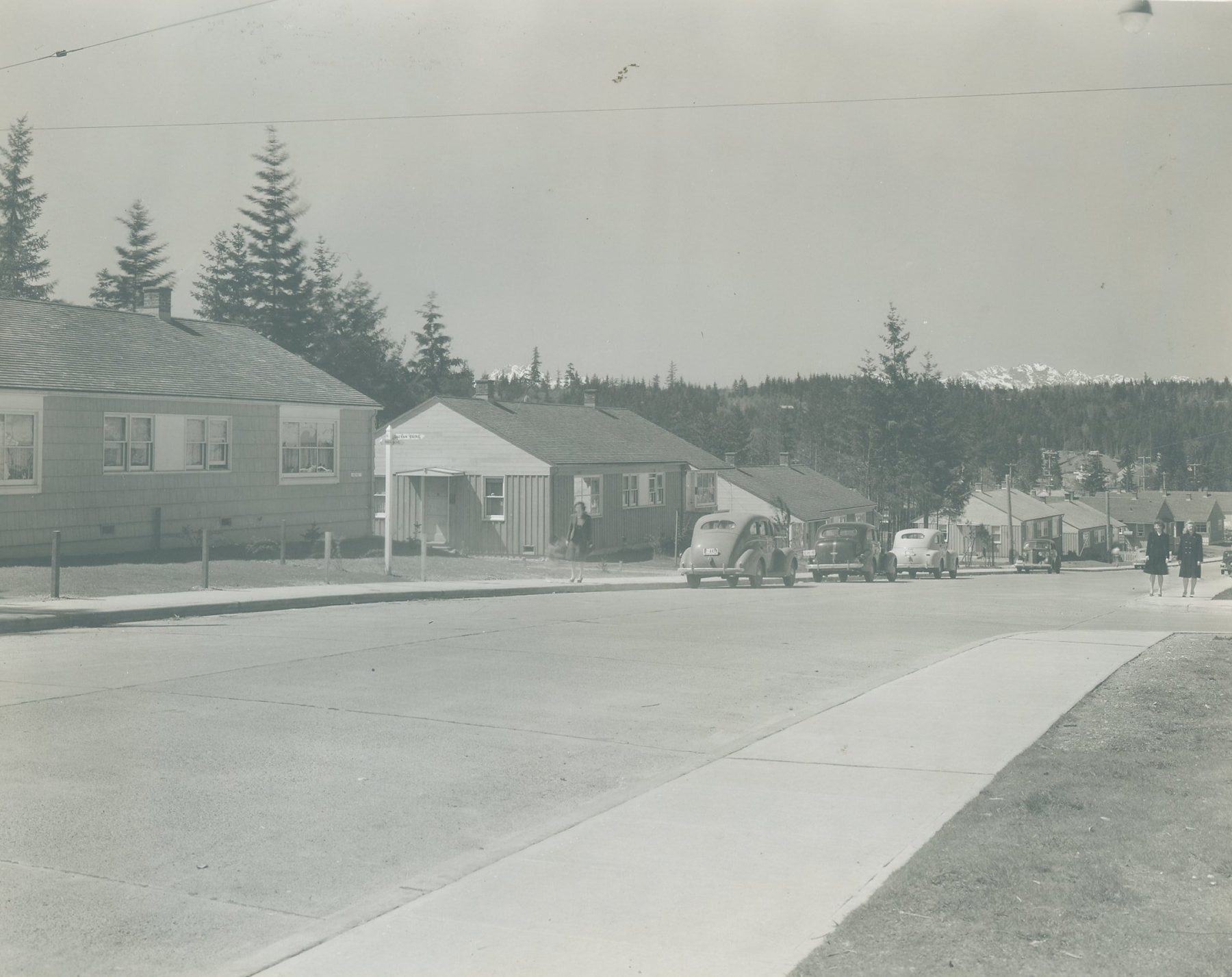
Sinclair Park, also called Sinclair Heights, opens as wartime housing. Housing assignments concentrate Black families there, creating a segregated neighborhood with poor bus service and long trips to stores and schools. Its residents build a close community.
- 1943
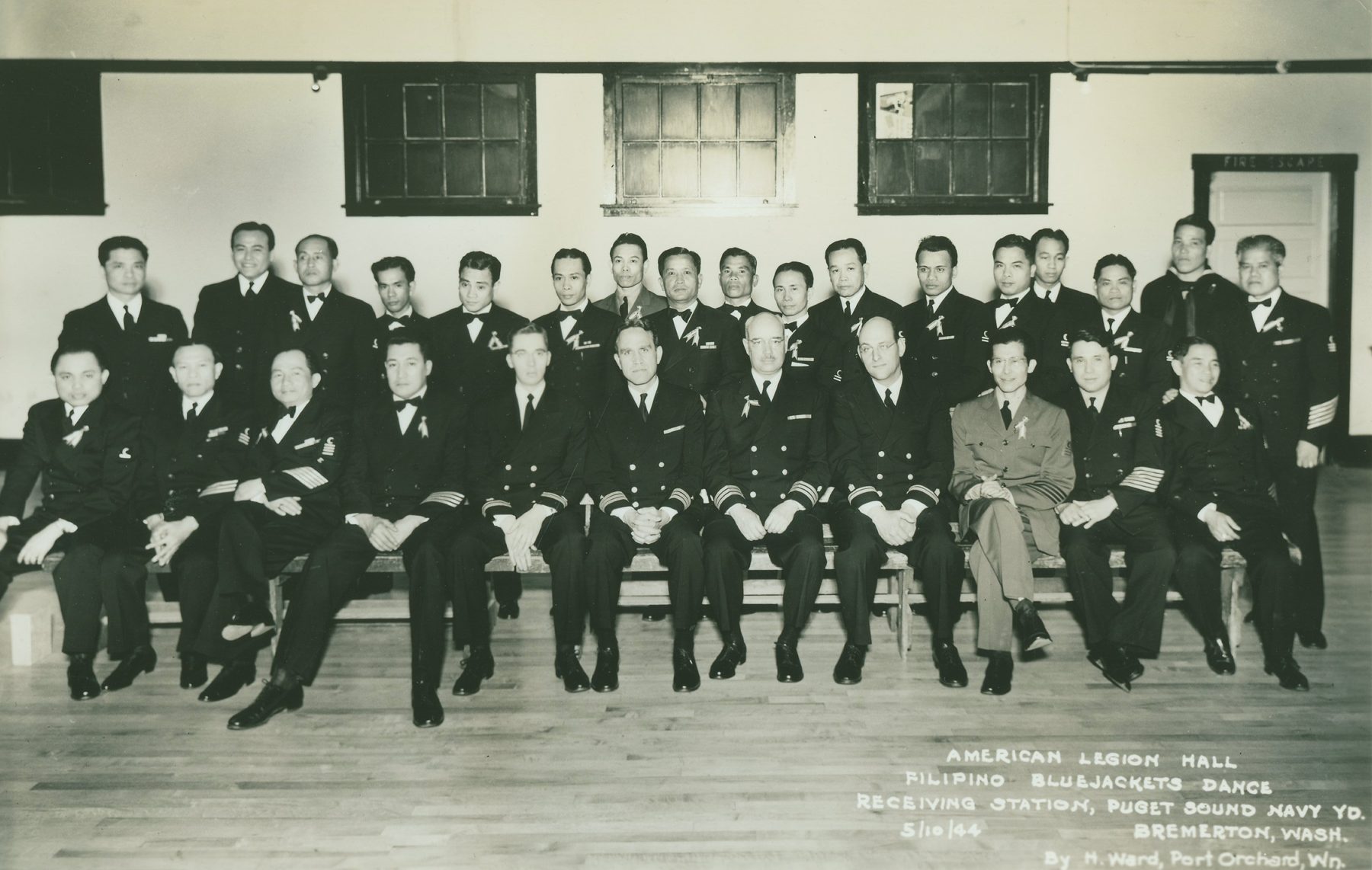
The Filipino American Community of Bainbridge Island and Vicinity is founded. Filipino Americans had long worked and farmed on the island, many alongside Japanese American families.
- 1945
The Yard’s workforce peaks at about 32,000, and it is renamed Puget Sound Naval Shipyard. The Navy also opens an ammunition depot at Bangor.
Explore moreThe Sinclair Park ProjectBlack Trailblazers of KitsapFilipino American PioneersVintage Fashion: The Forties
Beyond our museumPuget Sound Navy Museum (opens in a new tab)Bainbridge Island Japanese American Exclusion Memorial (opens in a new tab)Bainbridge Island Japanese American Community (opens in a new tab)
Postwar Growth and the Cold War
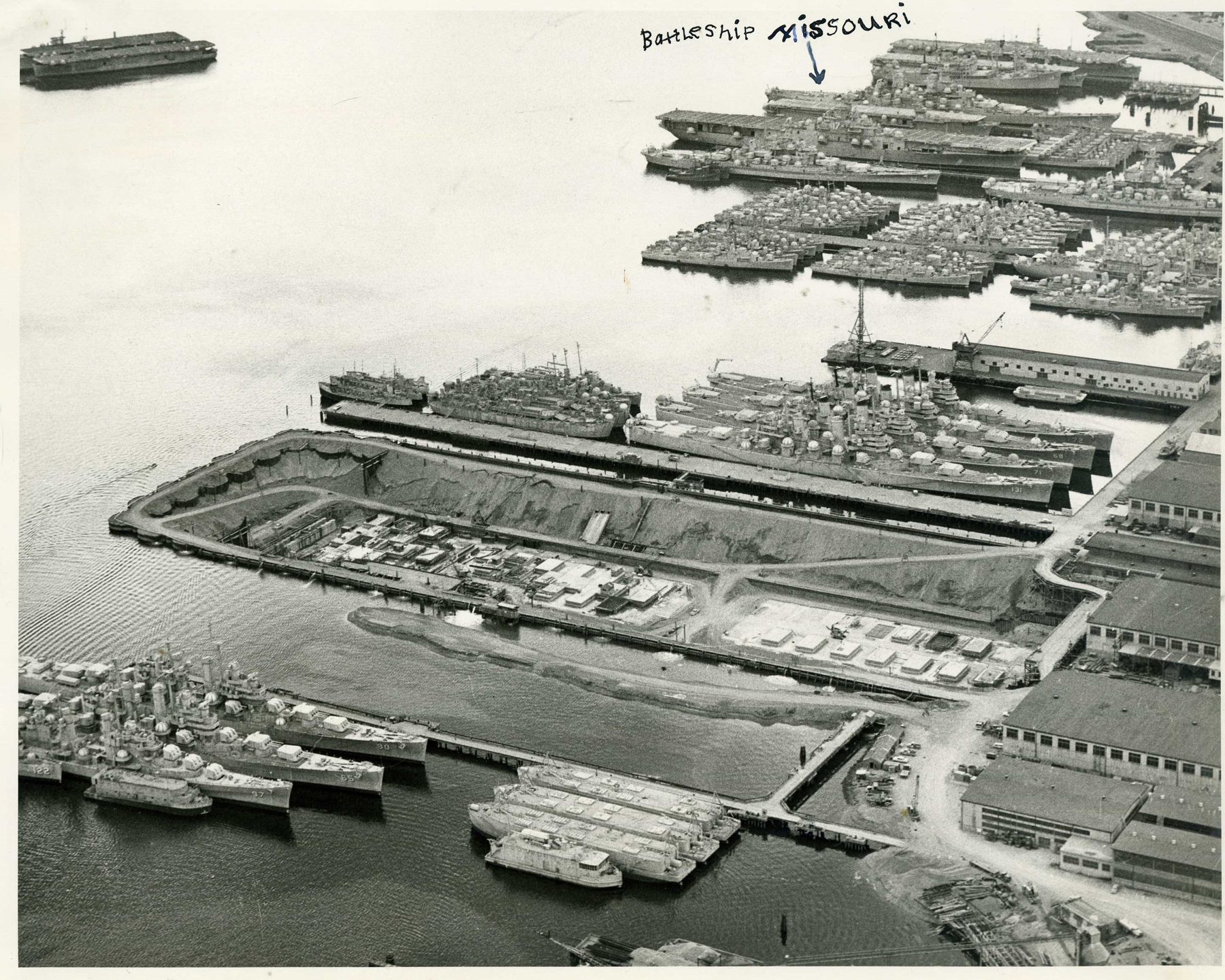
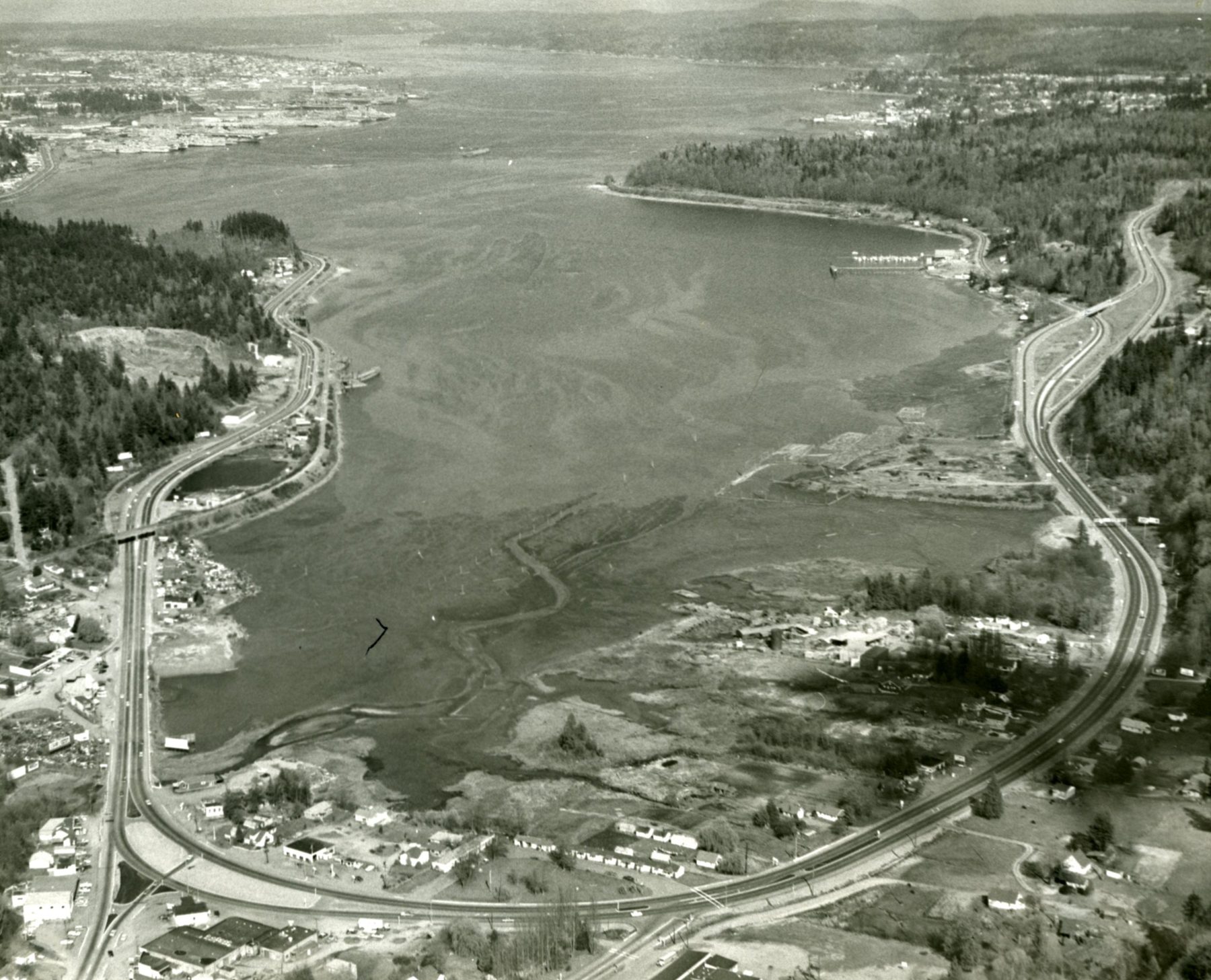
Many wartime workers stayed. New bridges and a state ferry system tied the peninsula to the rest of Puget Sound, and quiet farm towns grew into suburbs. The Cold War kept the Navy at the center of Kitsap life. The aerial photo shown here looks down on the shipyard’s reserve, or “mothball,” fleet; a handwritten note on the print points out the battleship Missouri. In the 1970s the Navy chose Bangor, on Hood Canal, as the home of its new Trident submarines.
- 1946
Olympic Junior College, today’s Olympic College, opens in Bremerton.
- 1948 – 1949
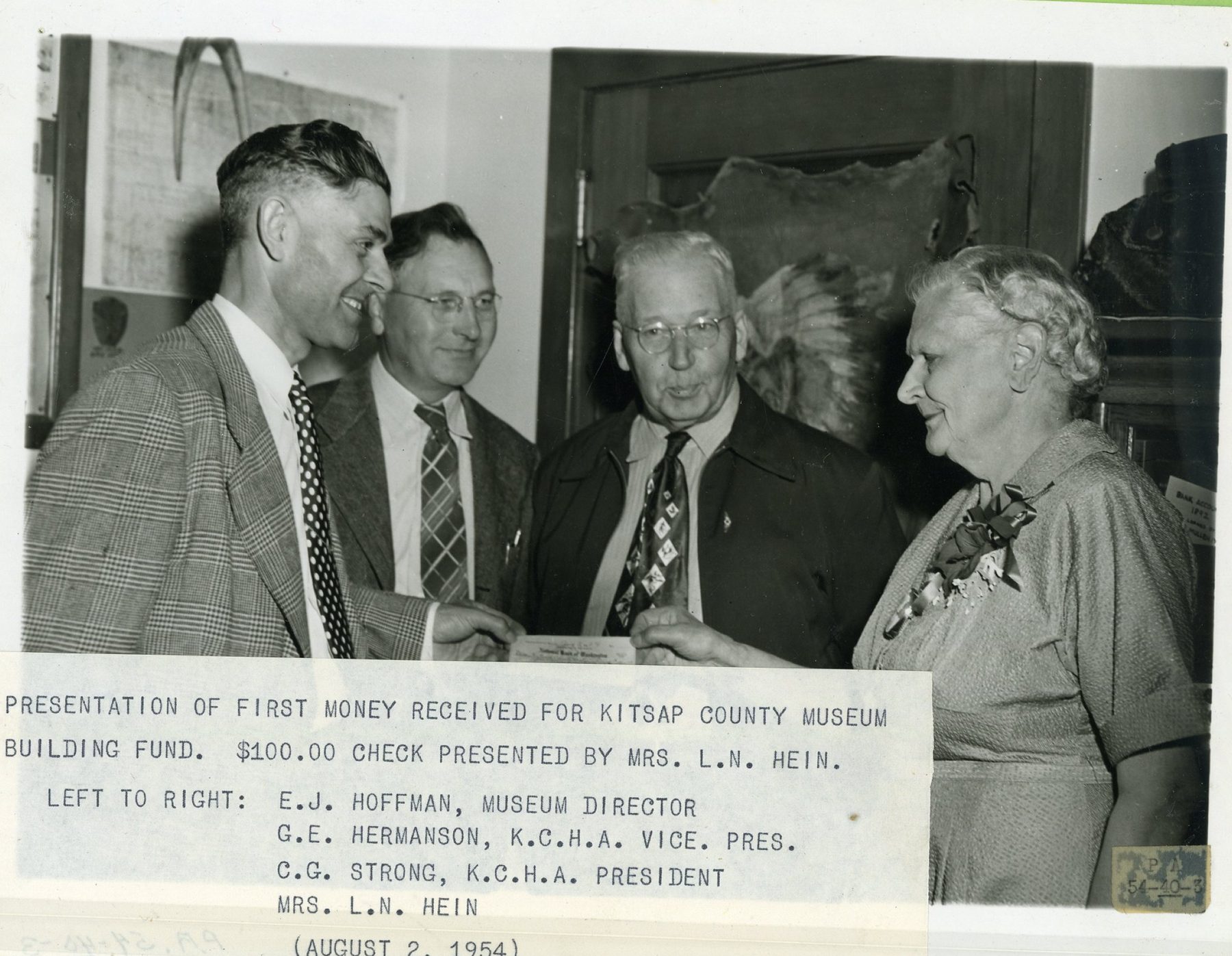
Residents found the Kitsap County Historical Society on January 16, 1948, the county’s 91st birthday. Its first museum opens in 1949 in two small rooms of the county courthouse in Port Orchard.
- October 7, 1950
The Agate Pass Bridge opens, linking Bainbridge Island to the rest of the peninsula. A new Tacoma Narrows Bridge opens the same year.
- October 1950
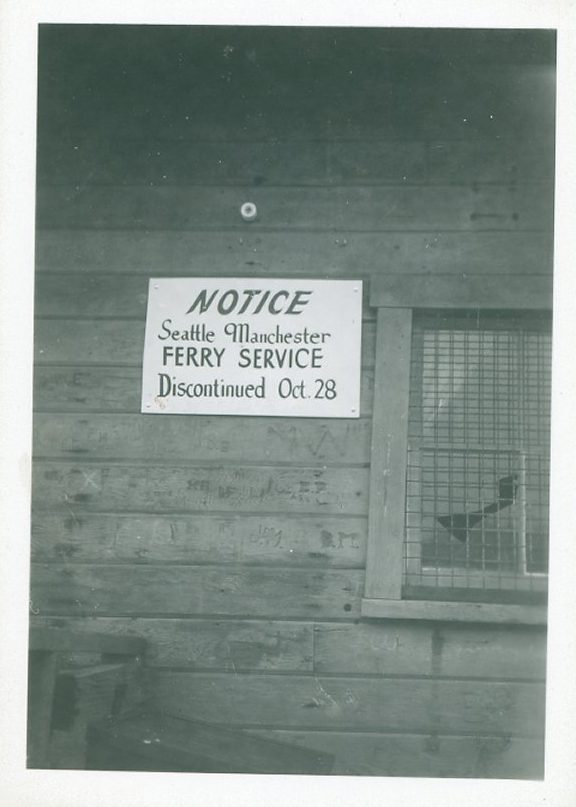
Seattle–Manchester ferry service ends on October 28. The notice posted at the Manchester dock is pictured below.
- 1951
Mosquito Fleet The State of Washington buys most of the Black Ball Line’s ferries and starts Washington State Ferries on June 1, ending the era of private steamboat companies that began with the Mosquito Fleet.
- 1955 – 1984
The battleship USS Missouri, where Japan signed its surrender in 1945, is kept in reserve at Bremerton. Millions of visitors walk its decks.
- August 12, 1961
The Hood Canal Floating Bridge opens. A storm sinks its western half in February 1979, and it reopens in 1982.
- 1969
Rainie Woods breaks the color barrier as Bremerton’s first Black police officer. Black Trailblazers of Kitsap →
- 1974
In United States v. Washington, known as the Boldt Decision, a federal court upholds the treaty tribes’ right to half of the harvestable salmon.
- 1976
A bequest from member Rosamond Laurie Johnson, Port Orchard’s poet laureate, lets the Historical Society buy the old Silverdale State Bank building for its museum. Watch her Kitsap Story →
- February 1, 1977
The Navy activates its Trident submarine base at Bangor.
Explore moreThreads of the SixtiesKitsap Stories: Rosamond Johnson
Beyond our museumPuget Sound Navy Museum (opens in a new tab)Naval Undersea Museum, Keyport (opens in a new tab)
Kitsap Today
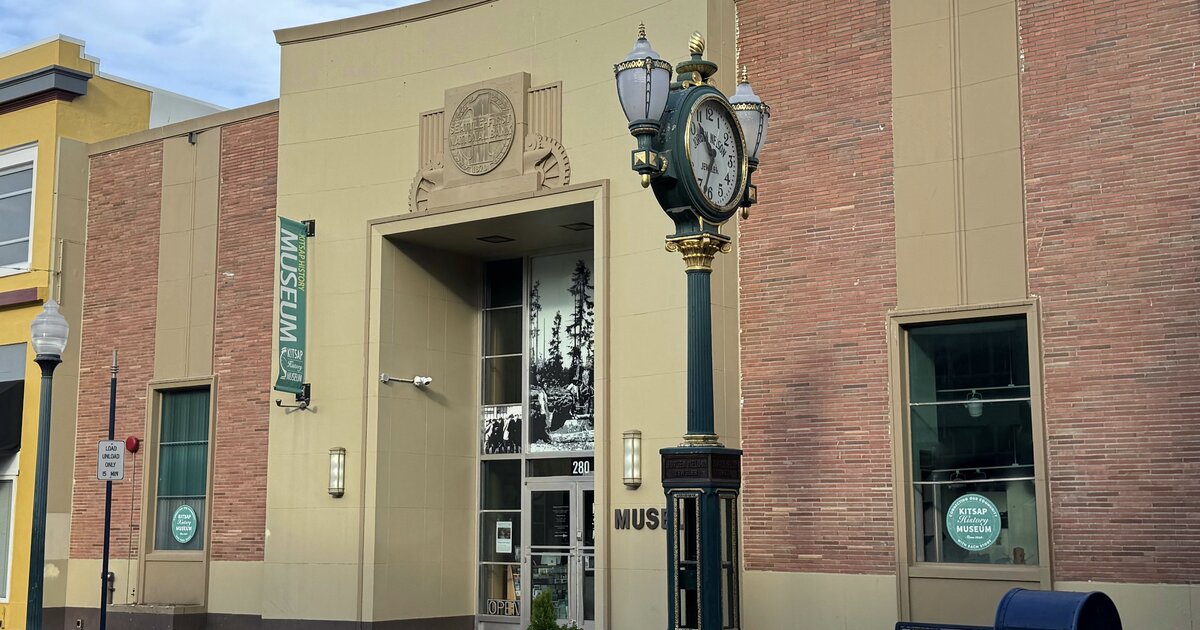
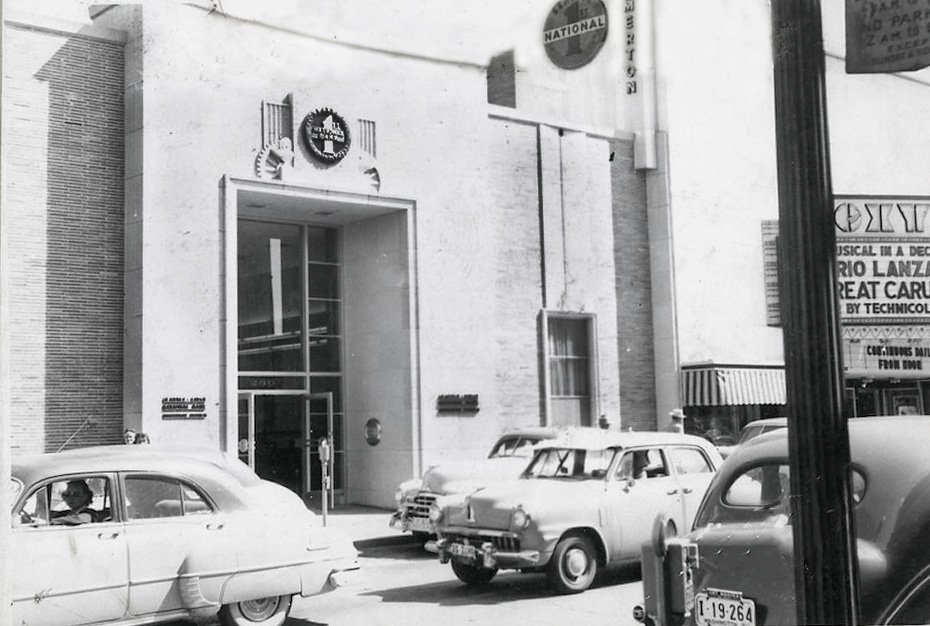
The museum, shown here, makes its home in the former Seattle-First National Bank building on Fourth Street in downtown Bremerton. The 2020 census counted 275,611 people in Kitsap County. The Navy is still the county’s largest employer, and ferries and bridges link the peninsula to Seattle and Tacoma. The Suquamish and Port Gamble S’Klallam Tribes run cultural centers, businesses and services that reach the whole region. Tribal nations continue to shape life in their homelands, alongside generations of families who have made Kitsap home.
- 1982
USS Ohio, the first Trident submarine, arrives at Bangor.
- 1991
All of Bainbridge Island becomes one city.
- 1992
Puget Sound Naval Shipyard becomes a National Historic Landmark District.
- 1995
The Port Gamble mill closes after 142 years. The same year, the Historical Society buys the former Seattle-First National Bank building on Fourth Street in downtown Bremerton, the museum’s home today.
- 2004
Olympic College opens its Poulsbo campus in January, bringing college classes to North Kitsap. Later that year the Bremerton and Bangor bases join to form Naval Base Kitsap.
- 2009
The Suquamish Tribe opens the House of Awakened Culture, followed in 2012 by the new Suquamish Museum.
- Today
Mosquito Fleet Two veterans of the Mosquito Fleet still sail. The Carlisle II, built in 1917, is still part of Kitsap Transit’s foot-ferry fleet on the Bremerton–Port Orchard run, and the steamer Virginia V is the last working steamer of the fleet. Read about the Carlisle II →
- Today
Kitsap’s history is still being written. Do you have a photo, letter or object that tells part of the story? We would love to hear from you.
Explore moreDowntown Bremerton Historic Walking TourOral HistoriesKitsap Stories (videos)
Beyond our museumSuquamish Museum (opens in a new tab)Steamer Virginia V (opens in a new tab)
Kitsap’s Communities
From Hansville to Olalla, every corner of Kitsap has its own story. Open a region to see when each community began and one thing that makes it special.
North Kitsap10 communities
-
EglonPost office 1906
First called Silver Creek after homesteader Charles Silver; when the post office opened in 1906, it was given the Biblical name Eglon instead.
-
HansvillePost office 1914
Because freight for Point No Point kept getting mixed up, steamer captain Troutman began calling the fishermen’s settlement “Hansville,” after well-known settler Hans Zachariasen.
-
IndianolaDeveloped 1916
“Indianola was born by boat”: developers sold beach lots here in 1916 to people who worked in Seattle, and its last ferry left in 1951.
-
KeyportPost office 1903
A small farming and fishing community whose name may come from Keyport, New Jersey; since 1914 it has been home to the Navy’s torpedo station.
-
KingstonPost office 1890
Wilkes named Apple Tree Cove in 1841 for blossoming trees (perhaps crabapple or dogwood); J. J. Felt’s 1853 sawmill there lasted one winter before moving to Port Madison.
-
Little BostonReservation 1938
Home of the Port Gamble S’Klallam Tribe. The 1855 treaty assigned the S’Klallam to a shared Skokomish reservation, but many families remained in their homeland here, and in 1938 their own reservation was established.
-
Lofall, Vinland and BreidablikPost offices 1892 and 1912
Scandinavian homesteaders settled these Hood Canal hills in the late 1800s; Breidablik is Norwegian for “a wide view,” and Lofall’s dock carried Hood Canal ferries until 1961.
-
Port GambleFounded 1853
Founded in 1853 by Andrew Pope and William Talbot of East Machias, Maine, this New England-style company mill town was first called Teekalet; the mill closed in 1995.
-
PoulsboSettled 1883
Named by postmaster I. B. Moe for “Paulsbo” in Norway and misspelled by postal officials; an ancient Suquamish winter village once stood at the head of Dogfish Bay.
-
SuquamishSuquamish homeland
Homeland of the Suquamish people and site of Old Man House, the great cedar longhouse where Chief Seattle lived; he is buried at St. Peter’s church here.
Bainbridge Island5 communities
-
Bainbridge Island and WinslowWinslow 1947 · island city 1991
Madrone, named for a large madrona tree, was renamed Winslow in 1903 for shipbuilder Winslow Hall; Winslow voted to incorporate in 1947 by just 12 votes.
-
Fort WardFort named 1903
Coast artillery built from 1900 guarded the way to the Navy Yard but never fired at an enemy; from 1939 a secret Navy listening post here intercepted Japanese diplomatic radio messages.
-
Port BlakelyMill 1864
William Renton’s mill, opened in 1864, grew into one of the largest sawmills in the world, ringed by villages of Japanese, Hawaiian and other workers.
-
Port MadisonMill 1854
George Meigs’s 1854 mill made Port Madison Kitsap’s first county seat; a Boston geography once called Seattle “a lumber town across the bay from Port Madison.”
-
Rolling BayPost office 1892
Settlers chose the name Rolling Bay for their post office in 1892; Finnish and Japanese families later farmed nearby.
Central Kitsap9 communities
-
BangorPlatted 1890
First known as Three Spits; the 1890 townsite was probably named for a founder’s Maine hometown, and its Carlston post office was renamed Bangor in 1891.
-
BrownsvillePost office 1890
At an 1890 meeting to name the post office, Andrew “Dogfish” Nelson proposed honoring homesteader Solomon Brown; Nelson sold dogfish oil to the Port Blakely mill.
-
ChicoPlatted 1889
Platted in 1889 and named for William Chico, an Indigenous leader who lived on nearby Erlands Point.
-
CrosbyPost office 1891
Once called Beaver Valley. Nathaniel Sargent, born into slavery in Kentucky, came here in 1882, helped neighbors build their homes and became Seabeck’s justice of the peace.
-
Erlands PointNamed 1912
An Indigenous village once stood by a creek here. William Chico, for whom nearby Chico is named, lived on the point, which later took the Erland family’s name.
-
HollyPost office 1893
Robert Wyatt’s family arrived in 1889; when his post office opened in 1893 he named it Holly, for holly trees he had planted.
-
SeabeckMill 1857
Marshall Blinn’s Washington Mill Company finished a sawmill here in 1857, and Seabeck grew into a busy mill and shipbuilding town. Its Indigenous name was recorded as L-ka-bak-hu.
-
SilverdalePlatted 1889
Settlers first chose “Goldendale,” but that name was taken, so they dropped “down a peg” to Silverdale; its farmers’ co-ops made it famous for eggs.
-
TracytonPost office 1884 (as Sackman)
Renamed for Navy Secretary Benjamin Tracy in 1890 while the Navy scouted here for a navy yard; landowners asked too much, and the yard went to Bremerton.
Bremerton area6 communities
-
BremertonPlatted 1891 · city 1901
William Bremer bought Andrew Williams’s homestead, platted the town on Dec. 10, 1891, and sold part of his land to the Navy for its yard, reportedly at a loss. Historic Walking Tour →
-
CharlestonPlatted 1891 · joined Bremerton 1927
Built beside the Navy Yard and first platted as “Port Orchard No. 2,” Charleston was its own town until it joined Bremerton in 1927. Charleston Remembered →
-
EnetaiMill 1854
William Renton and Daniel Howard moved their Alki sawmill here in 1854, creating the original “Port Orchard” mill town.
-
IllaheeFirst homestead 1885
William Christianson took up the first homestead in 1885; around 1916 developer Ole Hanson replatted the site as Illahee, selling lots to Seattle summer residents.
-
ManetteJoined Bremerton 1918
Named for the little steamer Manette, the first boat to stop regularly at its dock; the Manette Bridge tied it to downtown Bremerton in 1930.
-
Navy Yard CityPlatted 1909
Platted in 1909 just west of Charleston, this neighborhood grew up next to the shipyard it is named for.
South Kitsap12 communities
-
AnnapolisPlatted 1890
Settlers platted Annapolis on Mitchell Point in 1890, hoping the Navy would choose it for its new navy yard.
-
BethelSettled 1880s
Named by the pioneer Johnson family for the Biblical “House of God,” Bethel grew up around its Methodist church.
-
BurleyColony founded 1898
Founded in 1898 by the Co-operative Brotherhood, a colony that paid men and women equally, issued its own scrip (including small units called “minims”) and made “Marine” cigars.
-
ColbyPost office 1884
An early South Kitsap trading center and Mosquito Fleet stop on Yukon Harbor; when the steamers stopped calling in the 1920s, the town faded.
-
GorstPost office 1890 (as Butler)
Long called Butler, Head of the Bay or Pleasant Valley, it was the last original Sinclair Inlet settlement officially named, for pioneer Samuel Gorst, in the 1940s.
-
HarperPost office 1900
First called Harmon’s Landing, Harper was home to the Harper Brick and Tile Company, founded in 1899, and later to an early ferry landing for Seattle.
-
Long LakeSettled 1883
Henry Cline and the Sroufe family settled near the lake in 1883. At about 314 acres, it is the largest lake in Kitsap County.
-
ManchesterNamed 1892
First called Brooklyn, the settlement was renamed Manchester in 1892, after the busy English seaport, hoping for similar prosperity and the Navy’s new shipyard.
-
OlallaPost office 1884
Usually traced to olallie, Chinook Jargon for berries; strawberry farms later thrived, and Dr. Linda Hazzard’s fasting sanitarium, nicknamed “Starvation Heights,” drew international notoriety in 1911.
-
Port OrchardPlatted 1886 · county seat 1893
Platted in 1886 as Sidney, named for Sidney Stevens, it became county seat in 1893 and won the name Port Orchard in 1903 after a decade-long naming fight.
-
RetsilVeterans’ Home 1910
The Washington Veterans’ Home opened here in 1910 for Civil War veterans; “Retsil” is Governor Ernest Lister’s name spelled backward.
-
SouthworthPost office 1913
When the post office opened in 1913, residents argued over a name; officials settled on Southworth, a name from the Wilkes Expedition’s 1841 charts.
Dates mark different milestones (when a post office opened, a town was platted, or a city incorporated) and come from Kitsap County: A History (Kitsap County Historical Society, 2012). Indigenous peoples lived throughout these places long before any of these dates.
See the Kitsap Timeline in Person
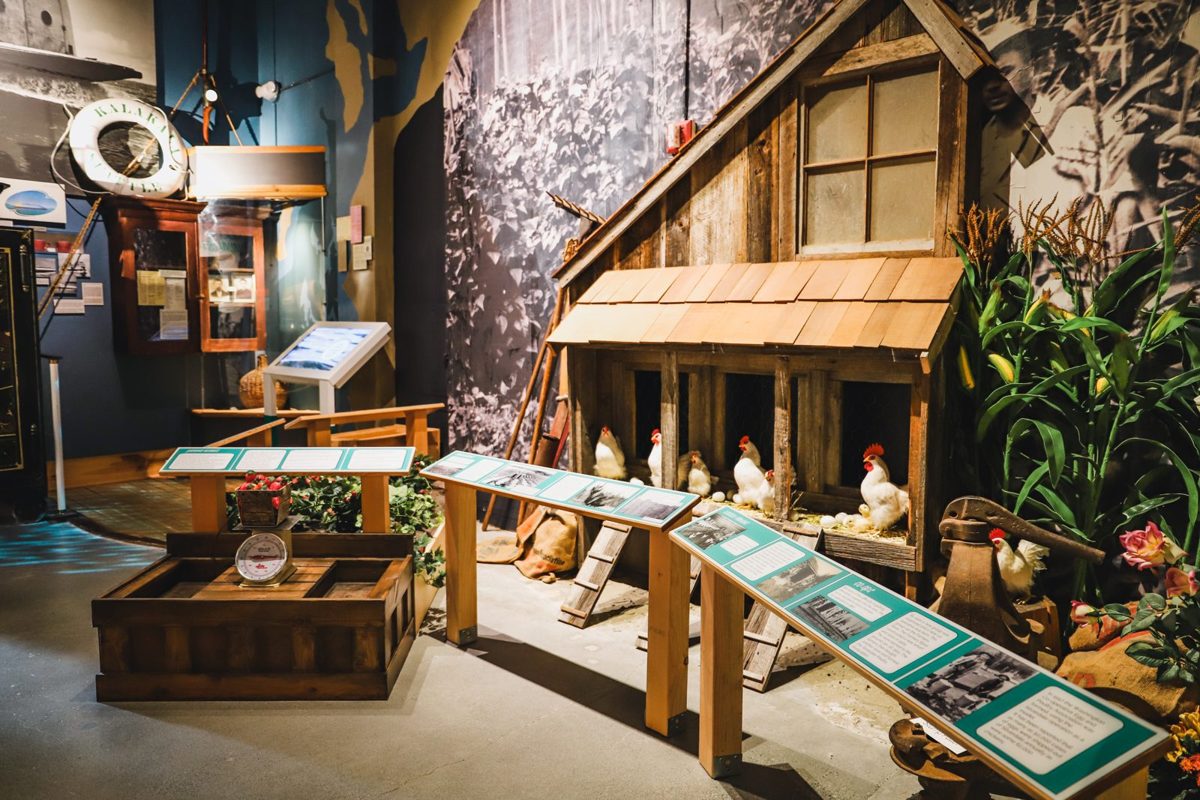
Our permanent Kitsap Timeline gallery tells this story with artifacts, photographs and hands-on displays, at 280 Fourth Street in downtown Bremerton.
Sources: Kitsap County: A History (Kitsap County Historical Society, third edition, 2012), the museum’s collections and virtual exhibits.