
Common Ground: A History of Bremerton’s Parks
Explore by park
East Park
From wartime Eastpark housing to a neighborhood park
Schley Blvd. and Homer Jones Dr.
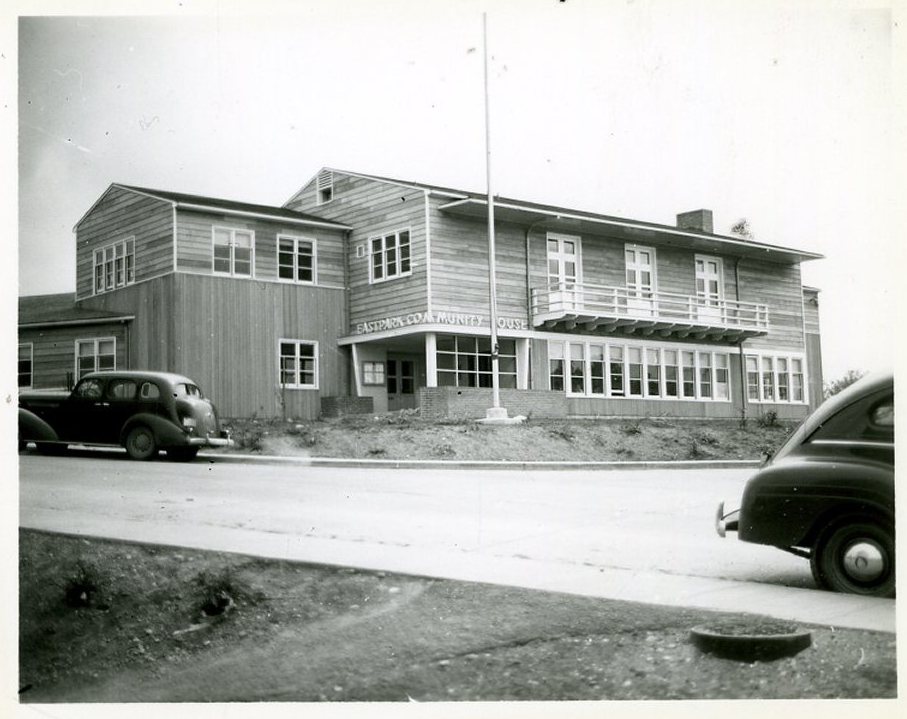
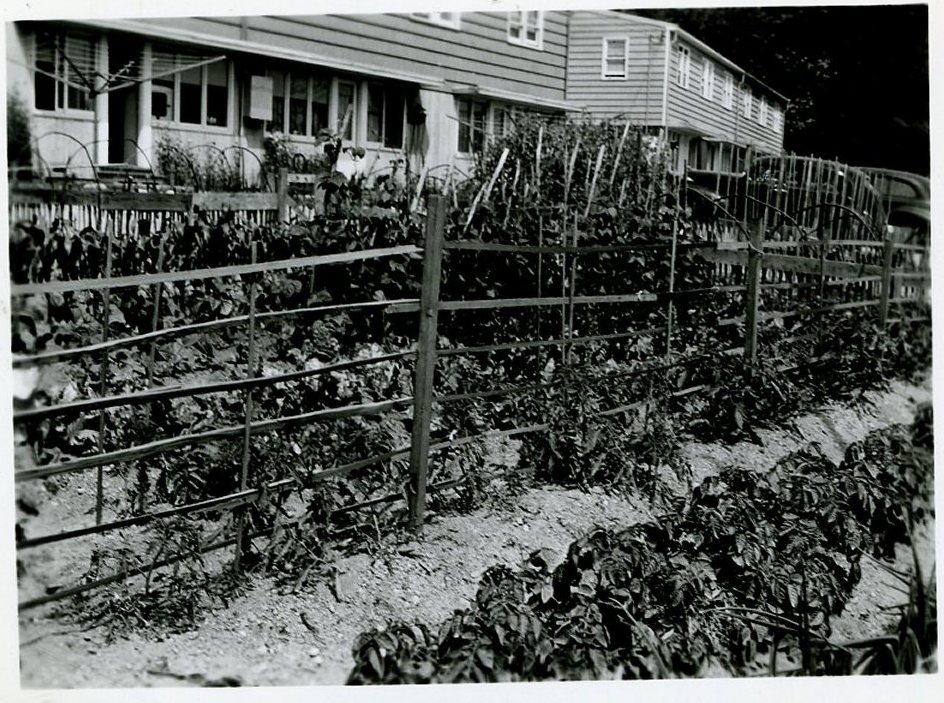
Before World War II, part of this area was the Hillman Addition. It was later taken over by the government, and in August 1941 Eastpark opened here: defense housing with 560 homes. The museum’s Bremerton Housing Authority photographs show it going up and filling with life: houses and duplexes, the community house, victory gardens and snow.
On April 5, 1971, 17.6 acres of the former Eastpark project were deeded to the city under the federal Lands to Parks program, to be used only for public parks and recreation. The city later built its indoor pool there. In late 2002 the Navy gave the city another tract of the old wartime housing, which the city sold to a developer in 2005 for today’s East Park neighborhood. The skate park was built in 2005.
Nearby, the Eastpark Nature Area, once Navy land, came to the city in 1967 under an agreement that it never be developed. Since 2015 it has been called Madrona Trails.
Through the years
- August 1941
Eastpark defense housing opens, with 560 homes.
- 1967
The Eastpark Nature Area comes to the city, never to be developed.
- April 5, 1971
17.6 acres of the old housing project are deeded to the city for parks and recreation.
- 2002
The Navy gives the city another tract of the wartime housing.
- 2005
The skate park is built.
Nearby and relatedMadrona Trails
In the timeline1941: Parks at war1948: Housing to parkland2013: Parks today